Are plastic bags really only disposable?

In the eyes of many people, plastic bags are equivalent to "disposable, throw away after use", but is this really the case? During the export process, we found that more and more customers began to pay attention to the "reusable value". For example, products such as hand-held bread bags, zipper bags, printed T-shirt bags, etc. are not only beautiful, but can also be used multiple times, greatly reducing waste.


Especially in the European and American markets, environmental awareness is strong, but customers are not against plastics, but are more concerned about the "product life cycle". We have been studying how to improve the durability and multi-scenario use of bags through design.


This can't help but make us think: Should we look at plastic bags from a different perspective? Turn it from a "packaging tool" to a "brand carrier"? If the bags become more fashionable and practical, and customers are more willing to keep them for reuse, plastic will no longer be the "culprit" but a "representative of transformation."


What do you think? Welcome to leave a message to discuss together!

Customizable plastic T-shirt bags to help upgrade brand packaging

In today's competitive global market, plastic T-shirt bags are not only a tool for daily shopping, but also an important medium for brand display.

Our company specializes in exporting customized plastic bags, among which T-shirt bags are particularly popular and widely used in supermarkets, retail stores, clothing stores and fast food chains.


We are printed plastic bags manufacturer.We offer a variety of sizes, thicknesses and colors. Customers can customize them according to different market needs

(custom printed plastic T-shirt bags), bulk T-shirt bags,including printing LOGO,slogans and QR codes. Our products are made of environmentally friendly PE materials,

which meet the import and export standards of the EU and American markets,with stable quality, strong load-bearing capacity and not easy to break.


We have advanced film blowing, bag making and automated printing equipment, with a daily production capacity of millions of bags, and can quickly respond to large-volume orders.

Through strict quality control processes, we ensure that each batch of products meets export packaging standards.

Our **plastic shopping bags with handles** are at the industry leading level in packaging accuracy and aesthetics.


Our products are widely exported to the United States, France, Chile, the United Arab Emirates and other places, and our customer groups include large supermarket chains,

clothing brands, e-commerce platforms and food packagers.

We can provide small batch sampling services to help customers quickly produce samples and seize the opportunity during the market testing stage.


At the same time, in response to the global environmental protection trend,

we have also launched a series of biodegradable T-shirt bags made of recyclable materials to help customers meet local environmental regulations.

Choosing us means choosing a supplier with a professional foreign trade team, a stable production system and many years of export experience.


Customization with drawings and samples is welcome. We support small batch orders and OEM services. We look forward to working with you to make your brand packaging more competitive!

How Custom Packaging Enhances Brand Value

In today’s competitive market, custom packaging is no longer just a protective layer—it’s an extension of your brand.

Think about the unboxing experience: a well-designed, branded package can create excitement, build anticipation, and leave a lasting impression on your customers. Whether it’s a sleek plastic bag with your logo or a thoughtfully printed paper pouch, packaging sets the tone before the product is even seen.

Custom packaging communicates your brand values. Are you eco-friendly? Minimalist? Bold and colorful? Your packaging reflects your identity. It helps customers remember your business, builds loyalty, and even encourages sharing on social media.

For retailers, custom printed plastic bags, zipper pouches, or gift bags turn ordinary packaging into brand ambassadors. Each bag someone carries down the street becomes free advertising.


At [Your Company Name], we specialize in creating durable, eye-catching, and customizable plastic packaging that helps brands stand out—while staying cost-effective and practical for daily use.

Plastic bag export trends and market opportunities in 2025

With the rise of global e-commerce and the continuous upgrading of packaging demand, the plastic bag export market has ushered in new opportunities.

1. Global market status
According to market research, the global plastic bag and packaging bag market size is expected to exceed US$200 billion in 2025, 
of which China accounts for about 38.6%, the Asia-Pacific region is growing rapidly, and the e-commerce packaging demand in Southeast Asia has surged by 27%.
Europe and North America are promoting the transformation of environmentally friendly materials due to carbon tariffs and plastic restriction policies. 2. Segmented product performance Supermarket shopping bags are still the mainstream, but the proportion of industrial packaging bags has increased to 29%.
The market penetration rate of degradable plastic bags has jumped from 12% in 2023 to 21% in 2025. At the same time,
the demand for functional bags such as food grade and medical grade continues to grow.


3. Export opportunities and challenges The rise of Southeast Asia: low labor costs and relaxed environmental protection policies have become a new hot spot for brand procurement. Compliance pressure: The EU and the United States impose taxes on disposable plastics,
and exporters need to improve the environmental performance and compliance capabilities of their products. Breakthrough in the high-end market: The report shows that China's exports to the European high-end market increased by 14.3%,
while the export volume decreased slightly, indicating that high value-added products have greater growth potential. 4. Recommended strategies Focus on special categories: Strengthen the production capacity layout of food bags, medical bags, and large industrial bags;
Investment in environmentally friendly materials: Introduce degradable materials such as PBAT and PLA to meet the needs of the international high-end market; Strengthening technology and certification capabilities: Promote water-based printing, thickness standards,
automated production and environmental protection label certification, such as the EU carbon tariff standard.


This provides a clear direction for foreign trade companies: penetrating the Southeast Asian market, deepening their presence in high-end application areas,
and embracing the benefits of environmental protection policies will be the way to gain market voice in the next 2-3 years
.


Sustainable Innovation in Plastic Bag Exports Balancing Quality and Responsibility

In today’s global market, the plastic bag export industry faces increasing pressure to balance cost efficiency, durability, and environmental responsibility. As a leading exporter, we want to share how our company innovates in this complex landscape—and invite a deeper conversation with partners and stakeholders.


1. High‑Performance Packaging Meets Eco Awareness

Our factory produces a wide range of products including custom printed stand‑up pouches, zipper-seal food bags, lightweight T-shirt bags, and industrial-grade heavy-duty PE sacks. Innovations like multilayer structures, barrier coatings, and advanced recyclable film technologies enhance durability and shelf appeal.

2. Embracing Green Materials

Organic materials such as PLA (polylactic acid) and PBAT blend films allow us to offer biodegradable and compostable plastic bags. These eco-friendly options maintain the strength and clarity of traditional plastics, while meeting current EU and US brand standards.

3. Custom OEM Solutions Empower Brand Influence

For overseas clients launching private label brands, we deliver OEM services including bespoke logo printing, color match, sizing, and packaging design with small-batch flexibility. This approach helps brands align packaging performance with their sustainability values.

4. Facilitating the Recycling Economy

We actively collaborate with logistics and waste-processing partners to support plastic bag take-back, recycling center collection, and pilot closed-loop initiatives. Thoughtful packaging design—like easy-peel seals and recyclable plastic types—simplifies end-of-life recycling and higher PCR (post-consumer recycled) rates.


Let’s talk:

  • Which markets in Southeast Asia or Europe are showing strong interest in eco-material packaging?

  • Are your clients asking for traceability or recycled-content certification?

  • Want to explore a case study on compostable zip-lock bags in the US supermarket sector?

Feel free to reach out—we’re ready to customize a sustainable plastic bag solution that boosts your brand impact and opens new export opportunities.

Why Packaging Design Matters More Than Ever in 2025

In 2025, packaging is no longer just about protecting a product — it's a powerful marketing tool that speaks directly to customers.

With e-commerce booming and competition rising, businesses need every advantage to stand out. Packaging design is now the first touchpoint between your brand and your customer.

A well-designed bag, box, or pouch can instantly convey brand identity, quality, and care.

Consumers today are also more eco-conscious. They notice materials, minimalism, and whether a product’s packaging is recyclable or reusable.

A smart design balances aesthetics, function, and sustainability — and it influences buying decisions.

Social media adds even more pressure. “Instagrammable” packaging leads to organic promotion. Customers love to share visually appealing unboxing moments.

In 2025, packaging isn’t just seen — it’s shared.

At Xiamen Yishan Technology Co.,Ltd, we offer modern, customizable plastic packaging solutions that help brands leave a lasting impression — from sleek zip bags to vibrant printed T-shirt bags.

Make your packaging part of your brand story in 2025.

Parts of an Aerosol Can The Engineering in Your Hand

We use them countless times in our daily lives—from applying deodorant and whipping cream to spraying paint and cleaning products. The aerosol can is a masterpiece of simple yet brilliant engineering, a self-contained dispensing system that we often take for granted.

But have you ever stopped to wonder, how does it actually work? It all comes down to the clever interplay of its individual parts. Let's break down the anatomy of this common household object.

1. The Can
This is the main body, usually made of steel or aluminum. It's designed to be incredibly strong to withstand high internal pressure. The bottom of the can is almost always concave (domed inward). This isn't a manufacturing error; it's a critical safety feature. The dome is designed to invert and pop outwards if the internal pressure gets dangerously high (e.g., from exposure to heat), preventing a potentially explosive rupture.


2. The Valve

This is the heart of the entire operation. It's a spring-loaded mechanism seated at the top of the can that acts as a gatekeeper. When you press the actuator (see below), the valve opens, allowing the product and propellant to escape. The moment you release pressure, the spring snaps the valve shut again, sealing the can and preserving the contents.

3. The Actuator
This is the part you physically push with your finger. It's the trigger that depresses the valve stem to open the valve. But its job isn't just about on/off. The actuator is specially designed with a small orifice that shapes the spray, creating the mist, stream, or foam you expect from the product.

4. The Dip Tube
Imagine a tiny straw running from the valve down to the bottom of the can. That's the dip tube! Its crucial job is to siphon the liquid product from the bottom of the can up to the valve. Without it, you'd only spray gas and whatever product was at the very top.

5. The Propellant
This is the invisible engine. The propellant is a compressed gas (or mixture of gases) stored inside the can alongside the product. It creates the pressure that forces the product out. When the valve opens, the high-pressure propellant pushes the product up the dip tube, through the valve, and out of the actuator. In many cans, the propellant also acts as a solvent that expands into a gas as it exits, helping to atomize the product into a fine mist.

6. The Product Concentrate
This is the actual substance you bought the can for—the paint, the cream, the cleaner, the silicone lubricant. It's formulated to work with the specific propellant and the mechanics of the aerosol system.

How It All Works Together:

1.  You press down on the actuator.
2.  This pushes down on the valve stem, opening the valve.
3.  The high-pressure propellant immediately forces the product concentrate up the dip tube.
4.  The mixture of product and propellant rushes through the open valve.
5.  It hits the actuator, which shapes and directs it into the desired spray pattern as it exits the can.
6.  You release the actuator, the valve spring closes, and the entire process stops instantly.

Bonus Part: The Tamper-Evidencing Overcap
That plastic cap that comes on a new can isn't just for show. It protects the actuator from dirt and, most importantly, prevents accidental spraying during shipping and handling. It's often designed to "snap" off on the first use, proving the product hasn't been tampered with.

So next time you pick up an aerosol can, take a second to appreciate the elegant and robust engineering hidden within its simple metal form. It's a perfect example of form meeting function, all in the palm of your hand.

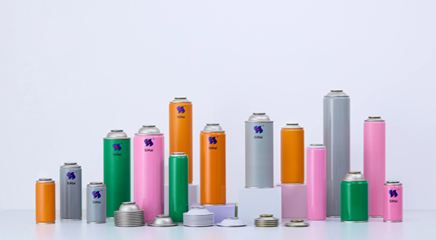
Empty Spray Aerosol Tin Can

Is a Windfree Air Conditioner Really More Comfortable?

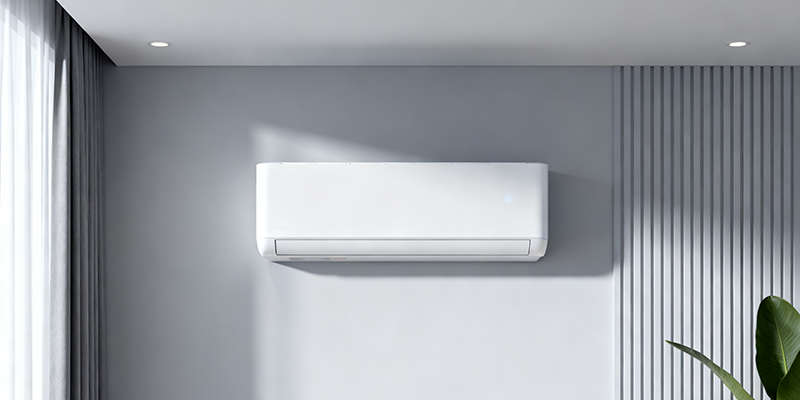
In recent years, "windfree air conditioner" has become a hot word in the appliance market. Different from the traditional air conditioners, it focuses air supply without a direct blow. Through a special design of the air outlet, it delivers the cold/warm air to the corners of the room more smoothly. Many sellers claim it as a healthier and more comfortable experience in air conditioning. So, is that true?


What is “windfree”?


The so-called "wind-free" does not mean "no wind", but through the air guide plate, microporous panel, surround air supply, and other designs, the air flow becomes slow to reduce the uncomfortable feeling from a direct blow.


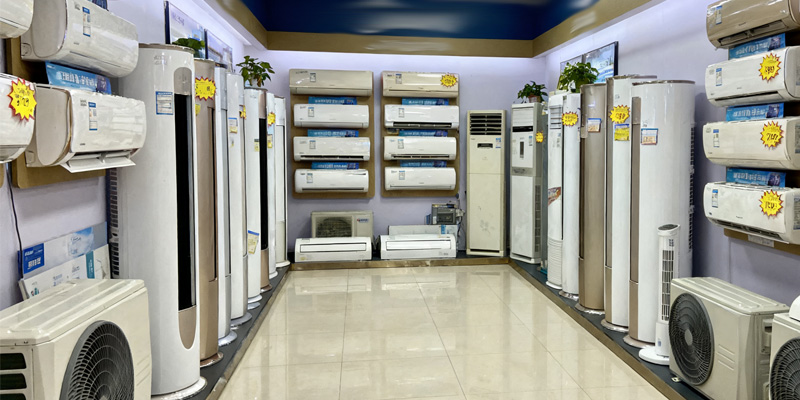
split air conditioner


How does the "windfree" behave?


Avoid direct blows

Direct blow in traditional air conditioners leads to "air conditioning illness" easily. Such as stiff neck and shoulder, cold, dry eyes, etc. The "windfree" design can solve this problem.


More even temperature distribution

Through diffused air supply, the interior air circulation could be smoother and less unevenly hot and cold.


Improved silence

Some windfree air conditioner models adopt a special air supply design, so the operation noise will be much quieter, suitable for bedrooms.


Potential shortcomings


Slow cooling/heating speed

As the wind speed is weaken, the rise of the room temperature to the set level will be slower than traditional air conditioners, such as wall mounted air conditioners, floor standing air conditioners and etc.


Higher price

The "windfree air conditioner" is placed in the middle and higher class, the selling price will be higher.


Different experiences from people to people

Some peple regard the windfree as a comfort while others are accustomed to the direct wind blow from the traditional air conditioners.


Does the windfree air conditioner more comfortable ?


The answe is that, for many people, it is more comfortble but not absolutely.


The experience of the windfree air conditioner is truly good for those who are sensitive to the cold wind and direct blow and who are concerned about health and sleep quality.

For those who pursue fast cooling/heating, the traditional split air conditioners are much better.


The windfree air conditioners are not a gimmick. It truly improves comfort, but whether it's worth purchasing depends on the user's needs and places. If you pursue a healthy, silent, and balanced experience, then a windfree air conditioner is an ideal choice, but if you stress the price and a fast cooling/heating effect, a traditional air conditioner is applicable as well.

Is the Combination of an Air Conditioner and an Air Purifier a Trend?

In the past, air conditioners and air purifiers were two different appliances: one was to adjust the room temperature, while the other was to improve the air quality. Nowadays, more and more air conditioner suppliers implement the integrated air conditioner with an air purification function, even with the other functions like fresh air, dehumidification, humidity, etc. Is this just a short-lived marketing gimmick or a long-term trend in the development of home appliances?


Why does the combination occur?


1. Increased health  needs

In the post-pandemic era, customers have more concerns about the indoor air quality, not only the temperature comfort but also the clean air without bacteria.

2. Space and cost

One piece of equipment with two functions can save space for the household and the cost of purchasing and electricity.

3. Available technology integration

The air conditioner has filter and air circulation functions itself; by adding a high-efficiency filter, ion sterilization, and UV lights, it could achieve a fundamental purification function.


Advantages of an integrated machine


1. Multiple usage: It meets both cooling/heating and air purification needs, improving the utilization of home spaces.

2. Intelligent linkage: Temperature adjustment and air purification operate at the same time; for example, in summer, it cools and cleans the bacteria and purifies the air at the same time.

3. Energy efficiency and aesthetics: Compared with two appliances, integrated machines have more advantages in energy consumption and indoor aesthetics.


Potential shortcomings


1. Insufficient professionalism: Compared with individual air purifiers, integrated equipment has lower purification efficiency, while the filter element volume and its type are limited.

2. Increased maintenance cost: Take wall mounted air conditioners as an example; they need to replace the filter and clean the indoor unit at the same time. For long-term maintenance, the cost is high.

3. High price: More functions mean more expenses to pay, which is not suitable for all families.


Future trends


The combination of the air conditioner and air purifier is a clear orientation of the AC industry but may not replace the air purifier totally. For most families, an integrated machine can meet the daily needs of air quality, while for the cold-sensitive groups or those with special requirements, they would probably need professional air purifiers for a supplement.


The most suitable packaging materials for creams

 Jars:

Glass Jar (Heavy, Luxury, and Temperature-Resistant)

Glass Jar come in a variety of formats, including jars, bottles, and vials, making them ideal for products requiring the utmost purity. Amber or frosted glass variants offer UV protection, protecting light-sensitive ingredients like retinol or vitamin C from degradation.

Plastics Jar (such as PETG, ABS, and PP, which are lightweight and easy to process) are widely valued for their durability and cost-effectiveness. High-density polyethylene (HDPE) and polypropylene (PP) are common choices, offering chemical resistance and lightweight advantages. Plastic jars with screw-top lids are suitable for body butters and thicker lotions.

Features: Classic and traditional, easy to use, and easy to show the paste texture and color. However, the contents are frequently in contact with air and fingers, which requires a high level of antiseptic system.

Applicable to: Luxurious nourishing facial creams, sleeping masks, massage creams, neck creams and other products that do not require extremely precise rituals and dosages.

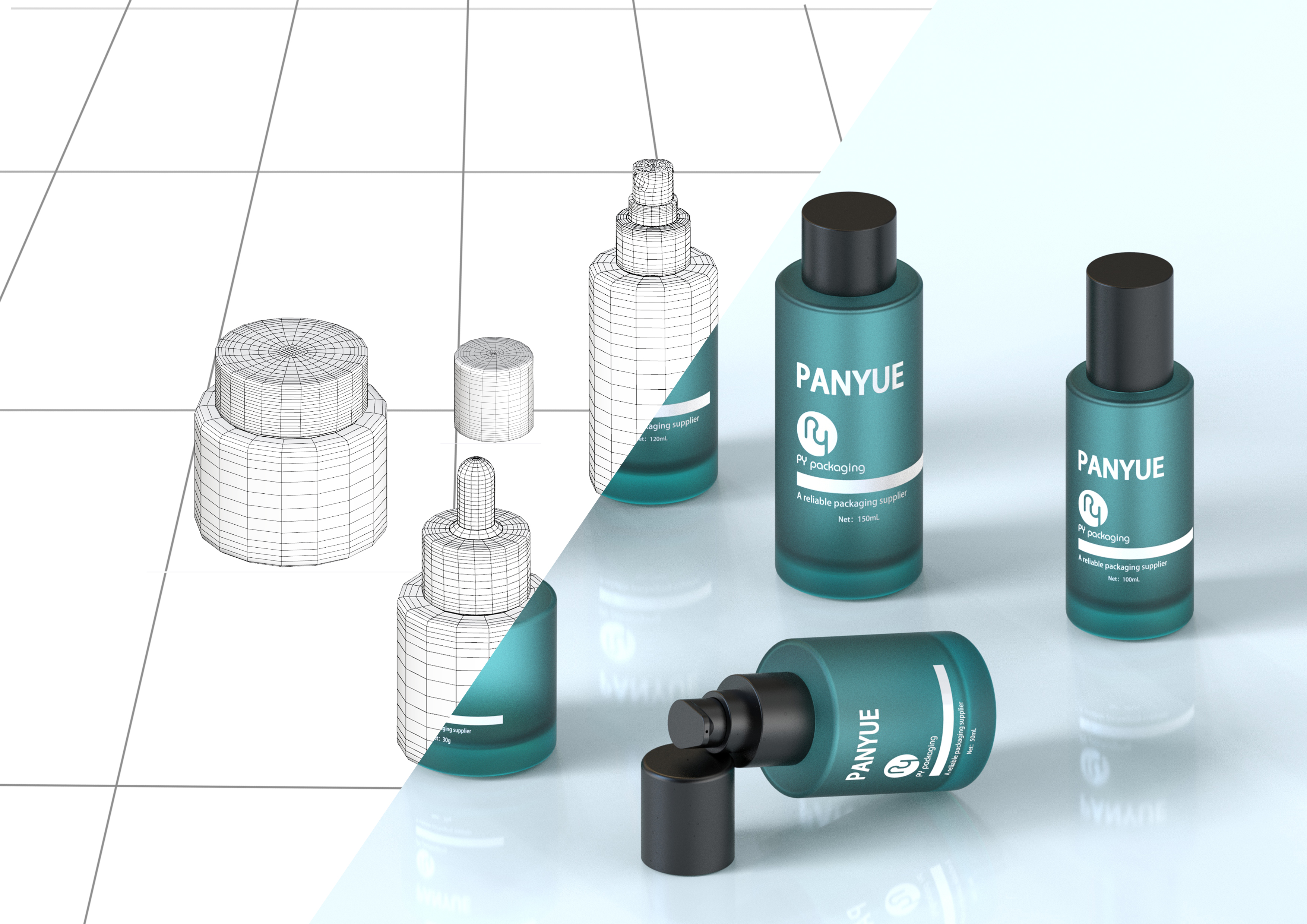
custom skincare glass jar

Tubes:

Aluminum tubes (with an epoxy or phenolic interior coating) excel in this regard: their impermeable barrier seals out moisture and air, preventing degradation of active ingredients. The squeezable tube design allows users to dispense small, targeted amounts, reducing waste and ensuring precise application. Aluminum tubes seal tightly after each use, minimizing pollution. Aluminum is recyclable, making it attractive to environmentally conscious consumers.

Plastic composite tubes (e.g., PE/EVOH/PE, with high barrier properties). Plastic tubes with flip-top caps are ideal for travel-sized face creams. Advanced plastic formulations, such as those with barrier coatings, now rival glass in terms of moisture and oxidation resistance.

Features: Excellent sealing, strong barrier properties (light-proof and anti-oxidation), lightweight and easy to carry, and a squeeze-type dispenser allows for hygienic and precise dosage control. The aluminum tube has a retro, cosmeceutical, and pure feel.

Applicable to: Day cream, night cream, hand cream, ointment, and other products requiring high hygiene standards.

Airless Pumps Jar:

Features: Utilizing the air pressure principle, the device allows for "outflow only, no inflow" to completely isolate the contents from air and bacteria, significantly protecting the freshness of the active ingredients. It's clean and hygienic, leaving virtually no residue and providing an excellent user experience.

Applicable to: Almost all high-end functional skin care products, especially those with extremely high requirements for ingredient activity.

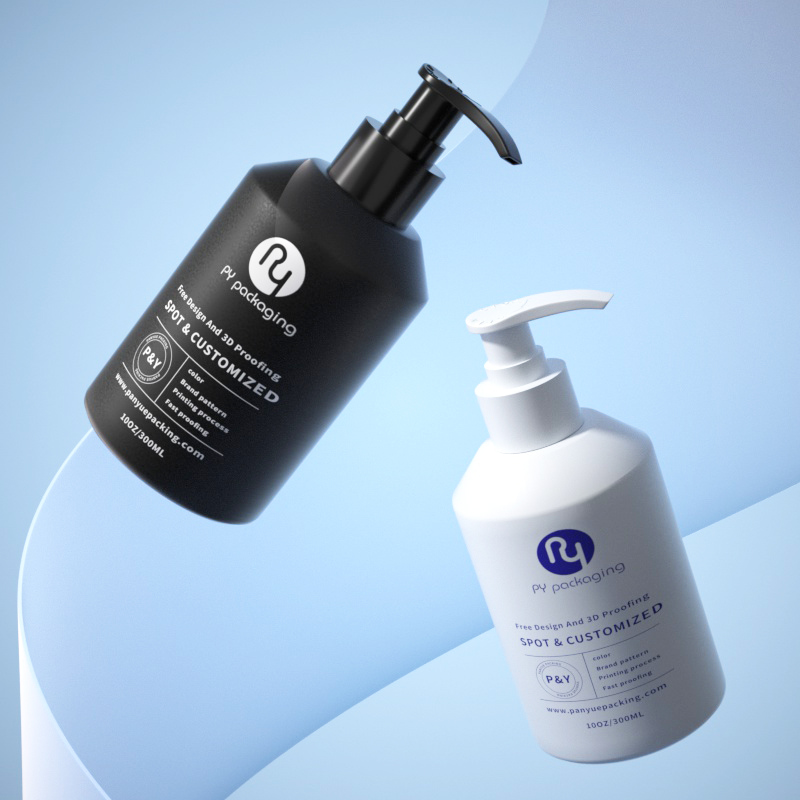
Lotion Pumps bottle:

Material: Bottles are typically made of plastic or glass with a pump.

Features: Easy and quick dispensing, controlled dosage, and superior hygiene compared to wide-mouth bottles. However, this product may leave residue and come into contact with the air at the top of the bottle.

Useful for: Thinner lotions, moisturizers, body lotions, etc.