What's the Difference between AC Inverter and DC Inverter?

Many people notice "inverter" when choosing air conditioners. Inverter air conditioners could better adjust the compressor speed compared with non-inverter one, so that it could achieve energy-saving, low noise, and more comfortable temperature control. However, it divides into two directions, DC Inverter and AC Inverter. What are the differences?


1. Working function


AC Inverter

It adopts AC motor inside of the compressor. It's an old technology in which the motor speed changes according to the adjustment of the power frequency. The control accuracy is limited.

DC Inverter

It adopts a DC motor inside of the compressor. The power supply is converted from AC to DC, and the inverter module controls motor speed precisely. Compared with AC inverter, DC inverter can achieve flexible control and higher efficiency.


2. Energy efficiency


AC inverter: Low energy efficiency ratio, out of date.

DC inverter: High energy efficiency ratio, it becomes the mainstream in air conditioner industry.


3. Noise


AC inverter: Limited control accuracy makes it easily shake and triggers noise during operation.

DC inverter: Stable speed adjustment, low noise; DC inverter air conditioners are suitable for bedrooms, offices, and other noise-sensitive places.


4. Lifespan and maintenance


AC inverter: Low effiiency motors create more heat, which quickly wears out components.

DC inverter: The motor generate less heat and works more stable It has longer lifespan.


5. Price


AC inverter: Low cost, cheap price.

DC inverter: Higher technology, higher price, more energy-saving.


6. Application


AC inverter: Mainly used in early inverter air conditioners and places with loose energy efficiency requirements.

DC inverter: It has been the mainstream nowadays. Almost all high-profile models of air conditioners and heat pumps are equipped with DC inverter technology.


The DC inverter and AC inverter air conditioners are the products of two eras. They are different in many aspects. AC inverter is transitional , while DC inverter is the current mainstream solution. For most of us, if your budget allows, a DC inverter split air conditioner is a better choice, as it not only saves energy but also provides a quieter and more comfortable living environment.

Can Air Conditioners Fit in Mobile Houses?

With the emergence of the light buildings and mobile houses, more and more people choose them as an office, dormitory, and even living space. However, there is a common question: Can air conditioners be used in these mobile houses? The answer is yes, but we still need to notice some points.


1. Features of the mobiles houses


The mobile houses have thin walls and limited insulation, which makes a higher load on the air conditioner when cooling and heating. If insulation isn't adequate, even with adequate cooling capacity, the uneven heating and cooling will appear.

Therefore, before installing an air conditioner, it's best to install insulation or thermal insulation blankets on the walls and roof to improve overall energy efficiency.


2. Choose a suitable air conditioner


Different air conditioners have different availabilities for the mobile houses:


Split ACs

The most common option, they are suitable for single-room container homes. Installing an external unit requires a hole in the wall and reinforced support.


Portable ACs

Do not require an external unit and are suitable for short-term use or in homes where installing an external unit is inconvenient. However, they consume more power and require an outdoor exhaust duct.


Floor-Standing ACs

Suitable for larger modular homes. Floor standing air conditioners have a good cooling effect, but they need a larger space.


3. Adaptable power and voltage


Normally, mobile houses use 220V single-phase electricity. Some construction site dormitories may use 380V three-phase electricity. In the United States and some other regions, the power supply can be 115V.

It's necessary to check with the supplier about the power supply condition of the appliances. Correct configuration of the equipment can ensure stable operation and the ability to withstand starting current in long-term use.


4. Ventilation and drainage


The air conditioners produce condensate water during cooling. The houses require pre-designed drainage pipes to prevent condensation from backflowing or dripping. The outdoor unit must be installed in a well-ventilated location to ensure good heat dissipation; otherwise, the cooling effect will be significantly reduced.


As long as the right model is selected and insulation is in place, the air conditioners can function perfectly well in mobile homes and container homes. Many construction site dormitories, field camps, and container offices are already equipped with window air conditioners or split aircon units, providing a comfortable living and working environment in summer.

Price of Tinplate is Going High

Yarlung Tsangpo River hydropower project as a major national infrastructure projects, if the full start, may indeed have a phased impact on the steel industry.

The main material of empty aerosol tin can is tinplate, now the price of tinplate will be increased, we have to adjust the price of our cans.
Please let us know if you have any plan, we can prepare the material in advance.


Guangdong Sihai Iron-Printing & Tin-Making Co., Ltd. was founded in 1998, located in the beautiful tourist city of Zengcheng, Guangzhou. Our company covers an area of 38,000 square meters and our main business is tinplate trading, coil cutting, coating, printing and tin-making.


A Deep Dive for the Filter Cartridge Is Your Drinking Water Really Clean?

A glass of water to start your day—but is that “clean” water from your tap truly as pure as it seems? Impurities, chlorine, heavy metals, bacteria... These invisible threats could be silently invading your life.

Who are the unsung heroes guarding your water safety?-Those uniquely designed filter cartridges in your water purification products! Today, we reveal their true superpowers.


Filter Squad: Specialized Defenders, Layer by Layer Protection


PP Cotton Filter: The Loyal "Goalkeeper"

Appearance: A solid white cylinder filled with dense melt-blown polypropylene fibers.

Core Mission: Coarse filtration. Works like a fine mesh net to intercept large particles, including sediment, rust, suspended solids, and insect eggs.

Capability: 

Physical Filtration: Protects downstream "elite filters" (other filter media) from clogging by large particles, thereby extending the overall system lifespan.

Application: Essential first-line defense for areas with turbid water or aging pipes. Affordable price with regular replacement needed (typically every 3-6 months).


Activated Carbon Filter (CTO/UDF): The Efficient "The Purification Master"

Appearance: Typically black cylindrical (granular UDF) or dense carbon block (compressed CTO).

Core Mission: Eliminates odors, discoloration, residual chlorine, and certain organic compounds. Leverages activated carbon's enormous surface area and exceptional adsorption capacity.

Capability:

Chlorine & Odor Removal: Effectively eliminates residual chlorine (disinfection byproduct) and associated odors (e.g., bleach-like taste) from tap water, significantly improving water palatability.

Organic Compounds Adsorption: Effectively reduces pesticide residues and volatile organic compounds.

Color Improvement: Effectively removes discoloration and turbidity from water.

Application: Essential for improving water taste in nearly all water purification products with a service life of 6-12 months.


Ultrafiltration Membrane (UF): The Precision "Filtration Specialist"

Appearance: Composed of multiple slender hollow fiber membrane filaments.

Core Mission: Precision filtration to eliminate bacteria, colloids, and macromolecular organics through 0.01-0.1 micron physical filtration.

Capability:

Sterilization & Antimicrobial: Effectively removes bacteria, (partial) viruses, colloids, algae, and macromolecular organics from water.

Mineral Retention: Specially designed pores allow beneficial mineral ions (calcium, magnesium, potassium, etc.) to pass through.

Energy Conservation & No Wastewater: Operates using just tap water pressure—eco-friendly and energy-saving.

Application: The go-to water purification solution for households in areas with good water quality—perfect for those who prefer mineral retention. Service life: 1-2 years.


RO Membrane Filter: The Ultimate Barrier for Pure Water

Appearance: White or light-colored spiral-wound membrane module with precision engineering.

Core Mission: Ultra-purification to produce near-pure water—powered by 0.0001-micron precision pores and reverse osmosis technology.

Capability:

Ultimate Filtration: Eliminates virtually all contaminants — including heavy metals (lead, arsenic, mercury), bacteria, viruses, antibiotic residues, inorganic salts, and minerals (removed simultaneously).

High Desalination Rate: Delivers purified water with ultra-low TDS (H₂O).

Requires Booster Pump: Needs additional pressure from a booster pump, generating a percentage of concentrated wastewater.

Application: The premium choice for areas with severe water contamination and users demanding ultra-pure water (e.g., infant formula preparation, laboratories). Service life: 2-3 years with regular flushing maintenance.


Filter Cartridge Selection Guide: The right fit for your specific needs.


Filter Cartridge Types

Primary Function

Filtration Precision

Advantages

Disadvantages 

Ideal Use Cases

PP Cotton (Polypropylene)

Intercepts large impurities

1-5 micron

Low price and protection of subsequent cartridges

monofunctional

Pre-requisite material for all water purification products

Activated Carbon

Adsorption of odors, residual chlorine, and organic matter

unspecified pore size

Significantly improves taste and odor

Unable to remove heavy metals, inorganic salts

Essential for enhancing the taste of drinking water

UF (Ultrafiltration) Membrane

Removal of bacteria, colloids, and macromolecules


0.01-0.1 micron

Mineral retention, Energy saving, and no wastewater

Unable to remove heavy metals, inorganic salts

Areas with better water quality, with a need to pursue mineral water

RO (Reverse Osmosis) Membrane

Removes almost all impurities

0.0001 micron

The purest water with the highest level of safety

Removes minerals, requires electricity, produces wastewater

Poor water quality/high demand areas, people who need pure water


How to Choose Your "Water Guardian"?


Select by Water Quality:

Q: For poor water conditions (turbidity/strong odors/heavy scaling) or high contamination risks (industrial areas/aging pipes)

A: RO reverse osmosis system (PP+carbon+RO membrane combo) is highly recommended.


Q: For good water quality, needing only taste enhancement and chlorine removal

A: UF ultrafiltration system (PP+carbon+UF membrane combo) offers better cost-efficiency and eco-friendliness.


Select by Your Needs:

Q: For ultimate purity requirements (infant formula/tea/coffee)

A: RO reverse osmosis system is highly recommended.


Q: To preserve natural minerals

A: Ultrafiltration (UF).


Q: On a tight budget? But still needs to basically improve the water quality

A: Basic pitcher or faucet water filters with natural coconut shell carbon are a practical starting choice.


Select by Maintenance Costs: 

RO systems incur higher filter cartridge replacement costs (especially RO membranes) and produce wastewater. UF and carbon filters offer lower ongoing costs.


Protect Your Health – Start by Understanding Your Filters!

One filter can’t be permanently used – they’re vital consumables that demand regular replacement to maintain peak performance! Water safety is no trivial matter.

Only by understanding each filter’s function and differences can you build the precise protective barrier your family deserves. Choosing the right filters means choosing visible peace of mind and health.


Are You Using the RIGHT Filters in Your water purification products? Check Now – Lock in Safe Drinking Water for Your Family!

What physical tests does the tube packaging have to undergo?

1.Thickness measurement

The precise thickness of each layer of a tube is fundamental to its performance. This test uses a micrometer or specialized thickness gauge to measure the actual thickness of each layer (from the inner barrier film to the outer printed layer), typically at five to ten points throughout the tube. The goal is to ensure compliance with design specifications.

2.Sealing performance test

Heat Seal Strength (Tube End): Tube ends are sealed using heat during the manufacturing process. This test measures the force required to tear the seal. It ensures that the seal will not crack during extrusion, transportation, and storage. Standards generally require a minimum strength to ensure reliability.

Torque Test (Tube End to Cap): This test evaluates the tightness of the connection between the tube end and the cap. A torque meter measures the force required to unscrew or tighten the cap, ensuring it is neither too loose nor too tight. Typical ranges vary depending on product type—cosmetic tubes may require 0.5-1.5 Nm.Positive/Negative Pressure Test: To simulate extreme conditions, the tube is subjected to positive or negative pressure in the seal. This can identify micro-leakages in the seal that may be missed by standard visual inspection.

3.Barrier performance test

Barrier performance is crucial for products susceptible to external influences like oxygen and light. 

Two key test types dominate this category:

Oxygen Transmission Rate (OTR): According to the standard, this test measures the amount of oxygen that passes through the tubing material over time. A low OTR is crucial for products like vitamin C serums or essential oils, as oxidation can reduce their effectiveness.

Water Vapor Transmission Rate (WVTR): According to the standard, this test quantifies the amount of moisture that migrates through the tubing. This is crucial for dry products (such as powdered skincare) or water-sensitive formulas, as excessive moisture can lead to clumping or microbial growth.

4.Mechanical strength testing

Compression resistance: This test simulates warehouse stacking, placing the hose under pressure for a week. This checks for deformation, collapse, or seal failure under sustained load.

Drop test: Tubes (empty and full) are dropped from various heights (e.g., 1 meter, 1.5 meters) and at various angles (vertical, horizontal, diagonal) to simulate an accidental drop. This test ensures there are no cracks, leaks, or cap detachments.

Flex resistance: The tube is repeatedly flexed, particularly at the shoulder (where the barrel meets the nozzle), until it breaks, typically over 10,000 cycles. This test assesses the durability of travel-sized hoses or products designed for portable use.

5.Extrusion performance testing

You know what? A user's experience with a product is largely tied to how easy it is to squeeze the stuff out and how clean the whole process is.Take those squeeze tests, for example. We use something called a texture analyzer to measure just how much force is needed to get the product out of the tube. The goal here is to make sure it's not a total nightmare to squeeze (because who wants to get all frustrated, right?). But at the same time, it shouldn't be so easy that you end up squirting out way more than you need.And it doesn't stop there. The testers also keep an eye out for issues like "rat tails." You know, those stringy bits that hang around after you've squeezed the tube? Or problems with uneven flow. These little things might seem minor, but they can lead to a whole lot of wasted product and just a generally crummy experience for the user.Now, when it comes to medicine tubes where you need to get the exact right dose every single time, things get even more serious. The consistency of how much comes out with each squeeze is checked super carefully. 

empty cosmetic tube packaging

Floor ceiling air conditioner purchase guide 5 key recommendations not to ignore!

In recent years, the floor ceiling air conditioner has been gradually favored by the market due to the characteristics of “multi-purpose and flexible installation,” but the adaptability of such products is also different under different space, floor height, and use requirements.


The following 5 suggestions will help you to be more targeted when purchasing a floor-ceiling air conditioner so that the equipment can really play a value.


Although the “dual-use” structure design is flexible, attention should be paid to the matching space. 

1. The ceiling/floor dual-purpose machine can be designed horizontally and vertically and has strong adaptability, but it is not universal for all household structures.

2. Lifting is beautiful, low noise, and more suitable for high spaces; landing is suitable for the type of house with more construction restrictions.

3. It is recommended to clarify the spatial pattern and decoration plan of the home and then determine the main installation method; “dual-use” as an auxiliary option is more reasonable.


The direction of air supply affects the experience, which needs to be judged in combination with living habits.

1. Under the hoisting condition, the air supply angle of some floor-ceiling air conditioners is limited, and the air supply may be close to the top or deflected.

2. If there is no air guide design in the direction of air supply in the landing state, it is easy to cause direct blowing and affect comfort.

3. When purchasing, it is recommended to pay attention to the wind range of the product and the automatic swing wind function and select the air supply direction according to the furniture layout.


Installation flexibility is high, but the process standards can not be relaxed.

1. The hoisting mode needs to cooperate with the drainage slope design, sealing plate edge, and other processes, which has high technical requirements for the construction team.

2. The landing mode needs to pay attention to stability, anti-dumping design, and beautiful treatment of exposed pipelines.

3. No matter which way you choose, it is recommended to be operated by a team with experience in the installation of the floor-ceiling air conditioner to ensure both safety and beauty.


There are differences between noise and wind sensation, and the measured data have more reference value.

1. Lifting wind is soft and quiet, making it suitable for a bedroom or quiet space; however, it requires a specific height for the floor.

2. The floor wind feeling is strong, suitable for a living room or a ventilation demand, but you need to pay attention to close-range noise.

3. It is recommended to view the measured noise data under different installation methods provided by the manufacturer, which is better than just looking at the word “mute.”


Core performance priority and functional richness are not the focus of the purchase.

1. Some products are compatible with the “dual-use” structure and may compromise on temperature control accuracy or energy efficiency ratio.

2. It is recommended to give priority to its core performance, such as cooling capacity, energy efficiency ratio, and filtration system;

3. Although the auxiliary function is useful, it should not be at the expense of the basic performance; pragmatic selection is a wise move.


Floor ceiling air conditioner air conditioning is suitable for family or business scenarios with limited space and high requirements for installation flexibility. In the selection, comprehensive consideration is made from the dimensions of spatial structure, air supply experience, installation ability, performance, and other dimensions so as to truly select products suitable for their own needs.


We are a professional air conditioner manufacturer in China. If you want to buy some floor-ceiling air conditioners for your project, please give us detailed information such as your house type, area, floor, height, and budget. We can provide you with the corresponding plan. If there are any questions, please contact us.


Tips for Maintaining Nail Art Brushes

Nail art brushes are essential tools for creating stunning gel nail designs. Whether you’re a professional nail technician or a DIY enthusiast, keeping your brushes in top condition is crucial for achieving flawless results. Here are some practical tips to help you maintain your nail art brushes and extend their lifespan.


1. How to Clean Gel Nail Brushes Properly
Cleaning your gel nail brushes is the most important step in maintaining their quality. After each use, wipe off excess gel or polish with a lint-free wipe. Then, dip the brush into a brush cleaner or 99% isopropyl alcohol, gently swirling it to remove any remaining product. Avoid soaking the brush for too long, as this can damage the bristles. Finally, reshape the brush and let it air dry horizontally to prevent bending. Regular cleaning ensures your brushes stay soft and precise for intricate designs.

2. Invest in Quality Brushes or Explore Cheap Art Brushes Wholesale Options
While high-quality brushes are a great investment, you don’t always have to break the bank. If you’re looking for affordable options, consider purchasing cheap art brushes wholesale. Many suppliers offer durable brushes at competitive prices, making it easier to stock up without compromising on performance. Whether you’re a salon owner or a hobbyist, buying in bulk can save you money while ensuring you always have a backup on hand.

3. Choose the Right Brush for Gel Brush UV Gel Nail Applications
Not all brushes are created equal, especially when working with UV gel nail products. For gel applications, opt for brushes specifically designed for gel polish, such as gel brush UV gel nail brushes. These brushes are made with synthetic bristles that resist hardening when exposed to gel products. Using the right brush not only improves application but also makes cleaning easier, as gel residue won’t cling to the bristles as much.

4. Store Your Brushes Correctly
Proper storage is key to maintaining the shape and quality of your brushes. Keep them in a clean, dry place, preferably in a brush holder or case. Avoid storing them upright in a jar, as this can cause the bristles to splay or bend. For added protection, consider using brush caps to keep the bristles intact and dust-free.


Why Choose Us?
At YV NAILS, we pride ourselves on offering high-quality nail art brushes that cater to both professionals and enthusiasts. With our own independent factory, we support OEM services and provide customized products to meet your specific needs. Whether you’re looking for gel brush UV gel nail brushes or cheap art brushes wholesale, we’ve got you covered. Trust us to deliver durable, reliable tools that elevate your nail art game.

By following these tips and investing in the right tools, you can keep your nail art brushes in excellent condition and enjoy stunning results every time.

Baby Crib Safety What Every Parent Should Know

When it comes to choosing a crib for your precious little one, safety is paramount. As a parent, ensuring that your baby sleeps soundly in a secure and comfortable environment is a top priority. In this article, we will discuss some essential tips and guidelines on baby crib safety that every parent should be aware of.


  1. Choose a Sturdy Crib: Opt for a crib with a robust construction that meets safety standards. Ensure that the slats are no more than 2-3/8 inches apart to prevent your baby's head from getting stuck.
  2. Check for Certifications: Look for cribs that have been certified by reputable organizations such as ASTM, EN, or R129. These certifications ensure that the crib meets specific safety requirements and standards.
  3. Avoid Second-hand Cribs: While hand-me-downs are cost-effective, it's best to purchase a new crib to guarantee that it complies with the latest safety regulations and has not been compromised in any way.
  4. Proper Assembly: Follow the manufacturer's instructions carefully when assembling the crib to ensure its stability and safety. Double-check that all parts are securely fastened to prevent accidents.
  5. Mattress Fit: The mattress should fit snugly in the crib without any gaps around the edges. This prevents the risk of your baby getting wedged between the mattress and the crib frame.
  6. Keep it Bare: Avoid using soft bedding, pillows, or crib bumpers inside the crib as they pose suffocation hazards for infants. A fitted sheet is all that is necessary for your baby's comfort.
  7. Regular Inspections: Periodically inspect the crib for any loose screws, broken parts, or sharp edges that could harm your baby. Ensure that the crib remains in good condition throughout its use.


baby crib


Why Choose Anhui Hope Child Product Co., Ltd. :

At HOPE, we understand the significance of providing parents with safe and reliable baby products. Here are some reasons why you should choose us:


  • OEM, ODM Supported: With 15 years of industry experience, we offer exceptional OEM and ODM services tailored to your specific requirements.
  • Full Customization: We provide a wide range of customization options to cater to the diverse needs of our clients, ensuring that you get a crib that meets your exact specifications.
  • International Certification: Our products have undergone rigorous testing and have obtained various international certifications such as ASTM, EN, and R129, assuring you of their quality and safety standards.
  • Professional Staff: Our team of experienced trade managers and technicians, each with over 10 years of expertise, is committed to providing you with top-notch service and support.
  • After-sale Guarantee: We stand behind the quality of our products. In the rare event of any quality issues, we take full responsibility and address them promptly, ensuring your peace of mind.


Choose HOPE for your baby's crib needs and rest assured that you are providing your little one with a safe and secure sleeping environment.

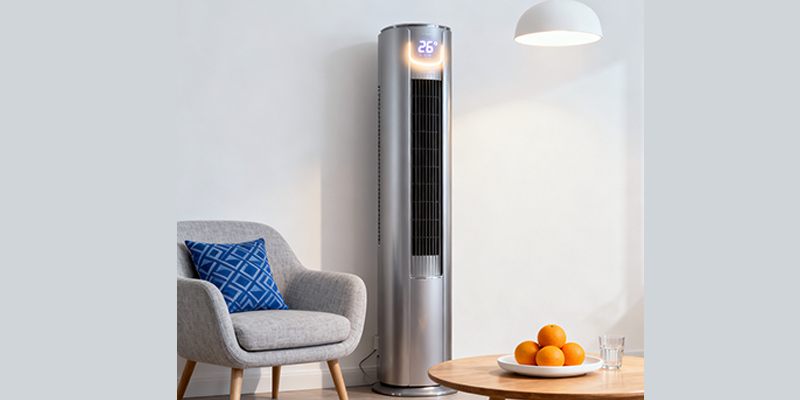
How to reduce the floor-standing air conditioning energy consumption?

In the scorching summer heat, floor standing air conditioners are practically a lifesaver for your home, but the high electricity bills that come with them can be a real pain. With a few tips, you can easily reduce energy consumption. Here are a few practical methods.


1. Optimization of temperature and operation settings 


Set a reasonable temperature. 

The air conditioning needs to be set at about 26°C; 26°C is the energy-saving gold temperature. When using air conditioners, the energy consumption of air conditioners will increase by about 6%-10% for every 1°C decrease in temperature. 


Use the timing function. 

Get used to turning on sleep mode or timing on and off, and try to avoid empty adjustment and late operation, especially when the temperature is low at night. 


Enable energy saving or ECO mode. 

Most air conditioners have “energy-saving mode” or “ECO mode,” and the system will intelligently adjust the operating frequency to maintain comfort while saving energy. 


Pre-cooling in advance and staggered peak power consumption. 

Turn on the air conditioner early before the high temperature (such as before noon), let the room pre-cool, and help to reduce the cooling burden and save peak electricity. 


2. Use habit adjustment. 


Avoid frequent switching of the machine. 

Frequent starting and stopping will lead to frequent starting of the compressor, which is more power-consuming than continuous operation. Stable operation is recommended. 


Use with a fan. 

Cooperating with an electric fan or a circulating fan can speed up the flow of cold air and improve the comfort of the body so as to avoid the air conditioning being too low.


3. Environment and space matching 


Closing doors and windows to prevent loss of cooling air. 

Doors and windows should be closed when using air conditioning. Adding sealing strips and curtains (especially shading curtains) can effectively reduce heat and cold exchange. 


Air conditioning matching room area. 

Floor-standing air conditioners are generally suitable for large living rooms or open spaces. If the room is too small, the use of a large number of air conditioners will lead to frequent starting and stopping, which means energy consumption is higher. 


These methods are simple and practical, and their implementation can significantly reduce air conditioning energy consumption and electricity costs. 


We are a professional air conditioner manufacturer in China. If you have any questions, please feel free to contact us!

Should Vitamin C Serums Be Stored in Dark Glass Bottles? Why Not Plastic?

The Delicate Nature of Vitamin C

Vitamin C, also known as ascorbic acid, is a powerhouse ingredient in skincare, renowned for its antioxidant properties, ability to brighten the complexion, and stimulate collagen production.However, it's also a highly unstable compound. It's extremely sensitive to light, air, and heat.Once exposed to this substance, vitamin C will be quickly destroyed, lose its efficacy and become useless. Such decline not only prevents you from enjoying all the benefits brought by the essence, but may also cause side effects and skin discomfort.


The Advantages of Dark Glass Bottles

Dark glass bottle (usually amber or brown in colour) act as a shield for Vitamin C serum. The dark glass bottle acts as a natural filter, blocking most ultraviolet (UV) and visible light. This helps to slow down the oxidation process that occurs when vitamin C is exposed to light, thus maintaining the stability and potency of the serum longer. In addition, glass is an impermeable material, which means it is difficult for air to pass through. This better prevents Vitamin C from being oxidised by atmospheric oxygen, which ensures that each product remains undamaged until your end use.


The Drawbacks of Plastic Bottles

In contrast, plastic has several disadvantages when it comes to storing vitamin C serum. Firstly, plastic is usually more transparent to light than dark coloured glass. Even though this plastic bottle is tinted, it still allows more light to pass through, which can speed up the breakdown of vitamin c. Secondly, plastic is a porous material. Over time, air can slowly seep into the bottle through the small holes in the plastic, causing the serum to oxidise. Additionally, some types of plastic may contain chemicals that can leach into the product, potentially causing skin reactions or altering the ingredients of the formula.

glass bottle for skin serum