Why Under Sink RO Systems Are a High-Margin Opportunity for Distributors

Global demand for compact, high-performance drinking-water solutions is booming. Under sink RO filters already hold US $2.3 billion of the under sink filter market and are forecast to grow at 5 – 7 % CAGR through 2034 . Reverse osmosis technology removes ≥ 99 % of heavy metals, chemicals, and micro-organisms—an easy value proposition for institutional buyers in schools, offices, and hospitality settings. For B2B partners, this means repeat orders, brand loyalty, and attractive margins.


OEM/ODM Advantages You Can Leverage


1 | Custom Engineering & Branding


· Private-label housings, colors, and logos help you differentiate quickly in saturated retail channels.

· Modular internal architecture lets you choose PP sediment, coconut-carbon, or UF pre-filters before the RO membrane, tailoring performance to local water profiles.


2 | Fast Prototyping & Scalable Capacity


· Pilot samples in 15 days and mass production up to 2 000 units/day (China plant) + 500 units/day (Thailand plant) ensure you never miss seasonal peaks.

· Compact packaging cuts freight and warehouse costs by up to 35 %.


3 | Global Compliance Made Simple


Systems can be certified to NSF/ANSI 58 (RO), 53 (health-effects), 42 (chlorine reduction) and 401 (EM emerging contaminants)—must-have labels for North-American and EU tenders .


4 | Durability Your Customers Can Trust


· 5 000-cycle pressure testing plus 100 % QC on every membrane sheet limits warranty claims and slashes after-sales cost.

· Field data show RO membranes maintain ≥ 96 % rejection after two years in commercial use, reducing service visits.


Logistics & Tariff Insights for Importers


· USA: Section-301 duties are temporarily cut to 34 % until Aug 2025, then return to 60 %+; ship now to lock lower landed cost.

· EU: Under sink RO systems (HS 8421.21) face only 2 – 3 % MFN duty, and no extra retaliatory tariffs.

· RCEP Bloc (Japan, AU, KR): Qualifying Chinese-origin goods enter at 0 % duty.

· UAE / GCC: Re-export via Jebel Ali Free Zone avoids the standard 5 % import tariff.

(Use these data points in LinkedIn ads or distributor decks to highlight cost advantages.)


How to Start Your Private-Label Program


1. Share Your Spec
- Target flow rate, tank size, inlet TDS, and design sketch.

2. Receive 3-D Mock-ups & Quote within 48 h.

3. Approve Tooling & Samples (15 days).

4. Production & QA—ISO 9001-certified lines with full batch traceability.

5. Global Shipping—FCA Ningbo or FOB Laem Chabang with consolidated LCL options.
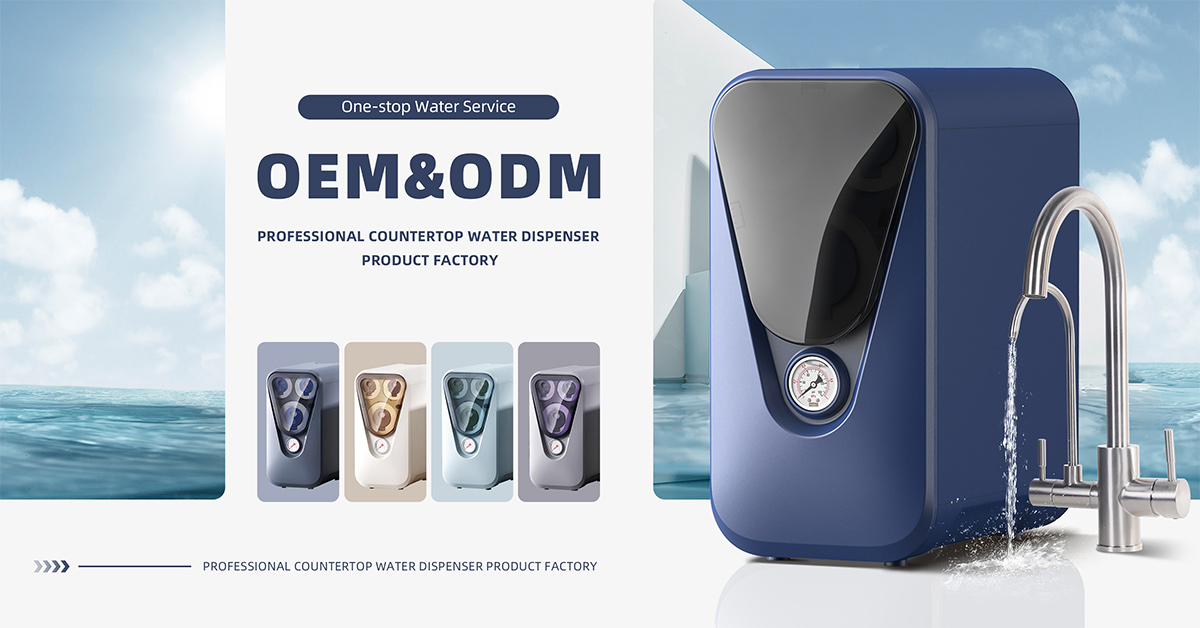


Under sink RO systems unite skyrocketing consumer demand with compact form factors and premium margins. By partnering with a custom under sink water purifier manufacturer that offers global certifications, rapid customization, and dual-plant capacity, B2B distributors and brand owners can enter—or expand in—this lucrative category quickly and securely. Start your search for a professional NSF 58 RO system supplier today! 
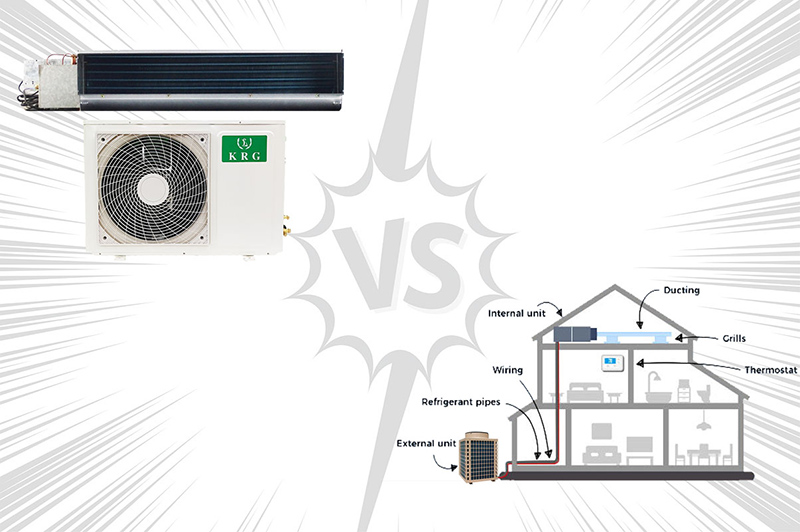
What Is The Difference Between Ducted Air Conditioners And Central Air Conditioners? How to Choose?

When decorating a house, air conditioning is a key system that influences indoor comfort. Particularly for the ducted-type air conditioners and central air conditioners that are similar in outlook. Many people will be tangled up about the differences between them and how to choose for their houses.

Don't worry, this article is to help you clear the distinctions among them and find the best option.


I. What are ducted air conditioners and central air conditioners?


Ducted air conditioner: A system that controls a room.

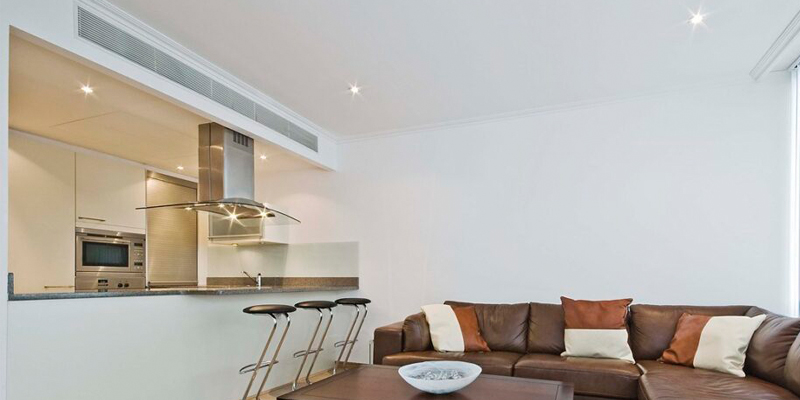
  • A ducted air conditioner is a one-drive-one system with an indoor unit and an outdoor unit. It delivers the cold (hot) air to an area or several close spaces through an air duct. Suitable for partial spaces such as living rooms or bedrooms.


Central air conditioner: A system that controls the whole room.

  • A central air conditioner usually refers to a Variable Refrigerant Flow or Variable Refrigerant Volume system (VRF/VRV), which is a one-drive-more structure. An outdoor unit connects with more indoor units, and every room could control the temperature individually, achieving intelligent adjustment for the whole room.


Ducted air conditioner system


II. Ducted air conditioner VS. Central Air Conditioner


Items Ducted air conditioner Central air conditioner
Outdoor unit configuration One-to-one One-to-many
Temperature control method Uniform control of one area Each room is independently controlled
Usage scenario Single space or small apartment Multiple rooms, large apartments, villas
Installation difficulty Easy to install Complex installation, requires overall design
Initial cost Low High
Energy saving performance General Higher (especially frequency conversion system)
Aesthetics Hidden ceiling, visually neat Equally beautiful, more integrated


III. How to choose? Bellow points may help you select quickly


1. The structure of your house

  • Small house/single room usage: Choosing a ducted air conditioner will be cost-effective.
  • Large house/multiple room usage: A central air conditioner will be more suitable.


2. Budget

  • Limited budget: Choose a duct air conditioner.
  • Abundant budget: The investment in the central air conditioner will be longer.


3. Decoration

  • Renovation or partial upgrade for old house: The duct AC units will be more flexible.
  • New house decoration or whole house planning: Central air conditioning is more systematic.


4. Requirements for quality of life

  • Practical and basic cooling and heating usage: Choose a concealed duct air conditioner.
  • Silence, energy saving, and zoned control: Choose a central air conditioner.


IV. Write in the end


Select a ducted air conditioner:

  • Demand for air conditioning partially. (living rooms, bedrooms)
  • Tighten budget
  • Fewer requirements on individual temperature control.


Select a central air conditioner:

  • Large rooms, multiple rooms.
  • High requirements for comfort and elegance.
  • Sufficient budget, pursuing long-term energy efficiency.


ceiling consealed air conditioner


V. Professional Advice


Purchasing an air conditioner should not only stress the price and brand but should also concern the space arrangement and long-term operation effect. We recommend inquiring with professional air conditioning engineers and making a customized plan based on your house type and budget, saving money and making it effortless.


If you are picking an air conditioning system, please contact us. We can provide you with some advice and adoption plans so that you can install it with peace of mind and use it comfortably!

Why do colored bottles easily fade?

I. Prolonged exposure to sunlight

One of the main reasons colored bottles fade is prolonged exposure to sunlight. UV rays break down the color pigments or coatings used on the surface of the bottle, causing them to dull or discolor. This is especially true for spray-painted or frosted bottles with lighter shades.Colored bottles stored in high heat or direct light are more likely to experience color changes. Stacking or rubbing during shipping can also cause scratches and color loss.

II. Use of poor-quality paints by suppliers

Many manufacturers use low-grade coatings or processes to reduce production costs, but this method will cause the products to fade. Poor-quality materials cannot withstand high temperatures, humidity or friction during transportation.

custom glass bottle printing

III. Deficiencies in materials and processes

1.Uneven pigment dispersion: Insufficient mixing of the masterbatch leads to color differences.When the melting point difference between the masterbatch and the substrate glass is greater than 30℃, it will cause uneven dispersion.Over time, this may cause the exterior color to fade or appear cloudy.

2.Poor coating adhesion: Insufficient UV curing energy or improper substrate treatment, and no acid washing of the bottle before spraying, resulting in dust and other attachments adhering to the bottle body.

3.Migratory fading: Small molecule dyes penetrate into the contents. For instance, acidic contents erode the inner wall of the bottle, dissolving the surface coating, which can cause the metallic glass bottle to turn white. For instance, ethanol-like contents and sodium-calcium glass bottles are not suitable for long-term storage.Long-term storage will cause sodium ions in sodium-calcium glass to be dissolved by ethanol over time, affecting the stability of its contents.


At Panyue Packing, we offer:

UV-resistant color glass bottles

Custom printing with high durability

OEM/ODM services for skincare brands worldwide

Contact us today to get samples or customize your next cosmetic bottle collection.

How do I choose the best small kitchen appliances?

During a recent visit to Myanmar, I had the opportunity to meet with local clients and conduct a survey of the small kitchen appliance market. The purpose of this report is to provide an overview of the key factors to consider when selecting kitchen appliances, including capacity, functionality, price, brand, and energy efficiency, based on the specific needs and preferences of consumers.

Capacity:
One of the primary considerations when choosing kitchen appliances is capacity. The size of the appliance should align with the needs of the consumer. For example, families with larger households might require appliances with larger capacities to accommodate their cooking needs. It is important to assess the market demand for various capacities and ensure a range of options is available to cater to different customer requirements.

Functionality:
The functionality of kitchen appliances plays a crucial role in the decision-making process. Consumers in Myanmar are increasingly looking for appliances that offer convenience, efficiency, and versatility in their cooking routines. This includes features such as multiple cooking modes, preset programs, timers, and specialized functions for different types of food preparation. Understanding the local culinary practices and preferences can help in designing appliances tailored to the market demands.

Price:
Price sensitivity is a significant factor in the Myanmar market. Many consumers prioritize affordability without compromising quality. It is essential to offer a range of price points to cater to different income levels. Emphasizing the value and durability of the product can help justify higher price ranges, while ensuring affordable options are available can expand market reach.

Brand:
Brand reputation and reliability are important considerations for consumers when purchasing kitchen appliances. Establishing a strong brand presence and consumer trust is crucial in the Myanmar market. Brands recognized for their quality, customer support, and after-sales service are likely to gain a competitive advantage. Investing in marketing and building brand awareness through local partnerships and endorsements can significantly impact consumer decision-making.

Energy Efficiency:
As environmental consciousness grows, energy efficiency has become a key consideration for consumers. Energy-efficient appliances not only reduce electricity bills but also contribute to sustainable living. Educating consumers about the benefits of energy-efficient appliances and ensuring compliance with international energy efficiency standards can help capture the environmentally-conscious segment of the market.

Conclusion:
When entering the kitchen appliance market in Myanmar, it is important to consider the unique needs and preferences of consumers. By offering appliances with the right capacity, functionality, competitive pricing, trusted brands, and energy efficiency, businesses can seize opportunities and establish a strong presence in the market. Adapting to local culinary practices and collaborating with local partners can enhance success in catering to the evolving demands of Myanmar's small kitchen market.

How to make life easier and happier

Kitchen Appliance Designer | Innovator from a Female Perspective | Practitioner of Lifestyle Aesthetics

As a mother of two and a kitchen appliance designer with 5 years of experience, I deeply understand the needs of modern families when it comes to kitchen appliances - they need to be not only practical but also aesthetically pleasing, quiet, and easy to use. I have a passion for both cooking and design and often find inspiration in the kitchen, creating products that cater to the feminine aesthetic and make cooking easier and more enjoyable.

My expertise includes:

· User-centered design: Optimizing product details from the perspective of mothers and homemakers to enhance the user experience.

· Quiet technology: Making kitchen appliances quieter to reduce home disturbances.

· European aesthetics: Collaborating with a hundred-year-old Czech brand, specializing in a minimalist and sophisticated design style.

· End-to-end service: Providing comprehensive solutions, from exterior design to structural optimization, for mass production.

I firmly believe that good design can make life better. If you are looking for kitchen appliances that combine beauty and functionality, I welcome the opportunity to collaborate with you.

The advantage of kitchen machine use


Introduction:
The purpose of this report is to provide an overview of the small appliance market in the Philippines with a focus on kitchen appliances that are suitable for small kitchen spaces. The report will highlight popular compact appliances such as mini refrigerators, mini microwaves, air fryers, and small blenders, discussing their space-saving advantages.

  1. Mini Refrigerators:
    Mini refrigerators have gained immense popularity in small kitchens due to their compact size and functionality. These appliances offer the following space-saving advantages:
  • Small footprint: Mini refrigerators are designed to occupy minimal floor space in the kitchen, making them ideal for cramped areas.
  • Storage capacity: Despite their smaller size, mini refrigerators come with adequate storage compartments for food and beverages, allowing users to keep essential items within reach.
  • Convenience features: Many mini refrigerators are equipped with adjustable shelves, door compartments, and even freezer compartments, providing flexibility and convenience in organizing perishables.
  1. Mini Microwaves:
    Mini microwaves are specifically designed to cater to the needs of small kitchen spaces. They offer the following advantages:
  • Compact design: Mini microwaves are significantly smaller than their standard counterparts, making them suitable for limited countertop or cabinet space.
  • Essential functionalities: Despite their size, mini microwaves provide essential heating and defrosting functions, allowing users to conveniently prepare meals and snacks.
  • Portability: Due to their compactness, mini microwaves are lightweight and easy to move around, enabling users to optimize their kitchen layout or even take them on trips.
  1. Air Fryers:
    Air fryers have gained popularity in recent years as a healthier alternative to deep frying. Their space-saving advantages include:
  • Countertop efficiency: Air fryers are typically compact and can be easily placed on countertops, requiring minimal space.
  • Multipurpose functionality: Many air fryers offer additional cooking functions such as baking, grilling, and roasting, reducing the need for separate appliances in the kitchen.
  • Easy cleanup: The compact size of air fryers makes them easier to clean and store compared to larger kitchen appliances, saving time and effort.
  1. Small Blenders:
    Small blenders are ideal for small kitchens, allowing users to enjoy the convenience of blending without taking up excessive counter space. Their advantages include:
  • Compact design: Small blenders are designed with a smaller footprint, making them suitable for tight spaces.
  • Versatility: Despite their size, small blenders offer various blending options, including smoothies, sauces, and soups.
  • Easy storage: The compact size of small blenders allows them to be conveniently stored in cabinets or drawers when not in use, maximizing kitchen space.

In conclusion, the small appliance market in the Philippines offers a variety of compact options that are suitable for small kitchen spaces. Mini refrigerators, mini microwaves, air fryers, and small blenders provide space-saving advantages, allowing users to optimize their limited kitchen areas while still enjoying the benefits of these essential kitchen appliances. As urban living spaces continue to shrink, these small appliances play a crucial role in enhancing convenience and functionality in kitchens.

Aerosol Cans Unlocked How They Really Work

An aerosol can is a self-contained dispensing system that stores and releases products in a fine mist,spray, or foam. These cans are widely used for everything from household cleaners and personal care products to industrial lubricants and medical treatments. But how do they work?


The Five Key Elements of an Aerosol Can

  1. Active Ingredient– This is the primary substance being dispensed, such as insecticide, paint, deodorant, or even antibiotics in medical inhalers.
  2. Solvent – A liquid that keeps the active ingredient at the right consistency, ensuring smooth application. Without it, some products might separate or clog the nozzle.
  3. Propellant – A pressurized gas (like butane, propane, or nitrogen) that forces the active ingredient out of the can when the valve is opened.
  4. Container – A sturdy, leak-proof canister (usually made of steel or aluminum) that protects the contents from contamination, evaporation, and external pressure changes.
  5. Valve – A spring-loaded mechanism (often activated by a button or nozzle) that controls the release of the product. When pressed, it opens to let the propellant push the mixture out.


    How Aerosol Cans Work

    When you press the valve button, the propellant—which is stored under high pressure—forces the active ingredient and solvent out through the nozzle. The design of the nozzle determines whether the product comes out as a fine mist, a steady stream, or a foam.

  • Solvent’s Role – The solvent ensures even distribution. For example, in spray paint, it prevents clumping, while in asthma inhalers, it helps deliver medication as a fine, breathable mist.
  • Shaking Before Use– Many aerosols require shaking to remix ingredients that may have settled (like paint pigments or sunscreen agents). This ensures the propellant can effectively push out a consistent mixture.

    Safety & Environmental Considerations
  • Pressurization Risks –Aerosol cans can explode if punctured or exposed to high heat due to the compressed gas inside.
  • Environmental Impact – Traditional propellants like chlorofluorocarbons (CFCs) were phased out for harming the ozone layer. Modern aerosols use safer alternatives like hydrocarbons or compressed air.
  • Recycling –Empty aerosol cans are often recyclable, but must be completely empty to avoid pressure hazards in recycling facilities.

    Aerosol technology continues to evolve, offering precise, convenient, and efficient ways to deliver a wide range of products—making them a staple in homes, industries, and healthcare.


The difference between customized packaging skin care glass bottles and perfume bottles?

The competition in the personal care market is becoming increasingly fierce, and brand packaging plays a pivotal role in it. As two different types of products, glass bottles and perfume bottles have obvious differences in design and function. Next, we will discuss in detail the uniqueness of bottles and perfume bottles, and on this basis, shape your own brand image through customized packaging.


1.Material and texture:

Skin care glass bottles are usually made of thick and stable soda-lime glass to protect the precious skin care ingredients. They need to meet the pH value of 3-9 for skin care filling environments (such as acid essences and alkaline contents). Most of the bottle mouths have spiral lids. In contrast, perfume bottles pay more attention to appearance and touch. They are usually made of exquisite crystal glass and even add artistic patterns or treatments to show a unique perfume atmosphere and enhance the visual texture of the liquid. They need to prevent alkali metal ions from precipitating in high-concentration ethanol environments (usually 75%-95%), and the perfume bottle mouth seals need to pass the ethanol immersion test.


2. Volume and design:

Skin care glass bottles are generally designed to be short and fat, which is more convenient for using skin care products. Their design focuses on practicality and functionality, and are usually equipped with devices such as pumps or droppers to easily control the dosage. In contrast, perfume bottles are more likely to use a slender neck design to highlight elegance and luxury. Perfume bottles usually have unique shapes and designs to show the special temperament of the perfume.


3.Packaging and decoration: 

Glass bottle skin care products are relatively simple and practical, with simple and clear logos and information to highlight their efficacy and ingredients. The decorations on perfume bottles are also more refined, such as exquisite labels, engravings, silver or gold to show a sense of luxury. Perfume bottles are usually equipped with a special bottle cap or straw to increase their unique charm.


Ball Cap Square Bottle Set


Packaging is not only a shell to protect the product, but also a carrier to reflect the brand value. Brands can better customize the packaging design to highlight the unique charm and brand image of the product. Customized embossed LOGO, unique shape or special material and other techniques will add a unique visual and tactile experience to your product, enhance consumers' awareness and loyalty to the brand, give your product high-end quality and unique charm, and achieve the premium effect of packaging.


In order to better meet the needs of different brands, we provide a variety of customized options, including the shape, texture, decoration and printing of glass bottles, to customize unique packaging solutions. Welcome to contact us for win-win cooperation, to jointly build brand image, and to enhance product premium and market competitiveness.

Floor Ceiling Air Conditioner Vs. Cassette Air Conditioner, Which One Is The Best For Your Business Spaces?

During the selection of commercial air conditioners, the air conditioner type not only influences the user experience but also determines the complexity of installation, space layout, elegance, and the maintenance cost. Particularly in medium and large areas, floor ceiling type ac units and cassette type air conditioners are the most welcome indoor unit types. Here we will deeply understand these two air conditioners from scientific perspectives.


I. Floor ceiling air conditioner: flexible installation with strong air volume


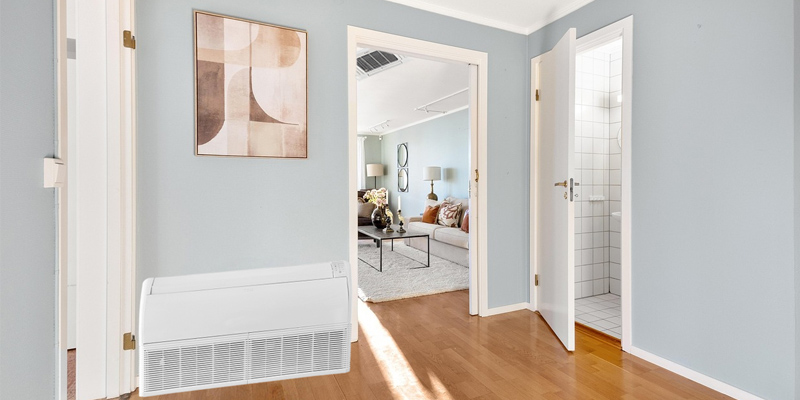
A floor ceiling air conditioner is a type of AC that can be installed on the ground or hung below the ceiling. Its installation method does not rely on the ceilings, which makes it widely used in many industrial or functional commercial spaces.


Features:

  • Flexible installation: Places without ceilings, limited floor height, or special structures are available for installation.
  • Powerful air volume: Strong air volume and fast wind speed make it suitable for spaces that require long-distance coverage.
  • Easy maintenance: The design is not complex, and the maintenance is simple.
  • Strong and durable structure: industrial design, high durability.


II. Ceiling cassette air conditioner: elegance with comfort for high-end spaces


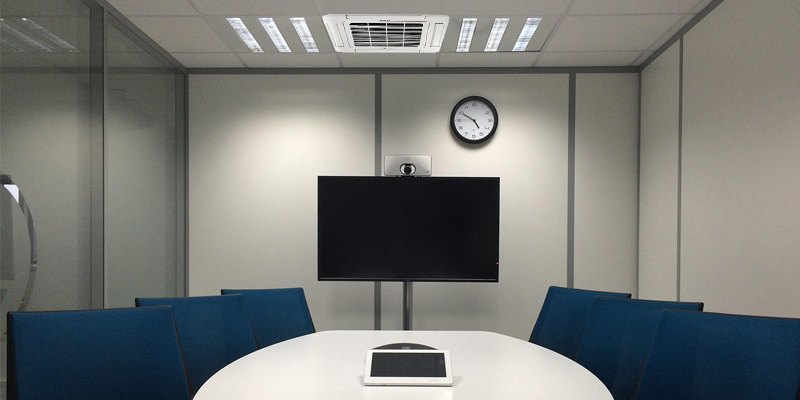
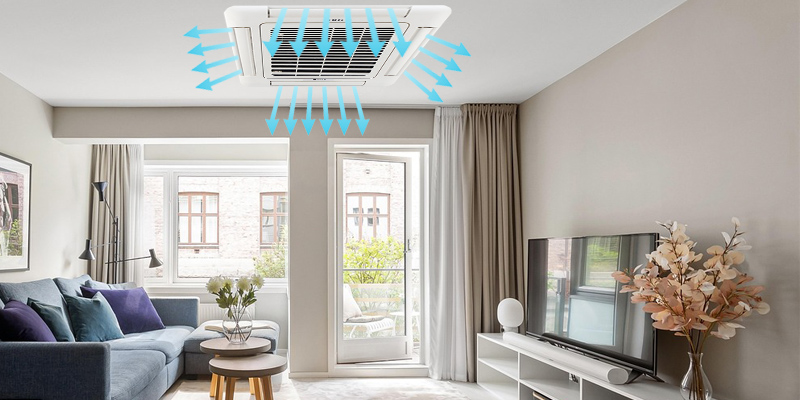
A ceiling cassette AC unit is an embedded air conditioner installed inside the ceiling, with an exposed panel in the room. It adopts a 4-way air outlet design, with a soft wind feeling, silent operation, and more even temperature distribution.


Features:

  • Beautiful and concealed: integrated with the ceiling, does not affect the interior decoration style.
  • Uniform air supply: four-sided air outlet design, more comfortable distribution of cooling/heating.
  • Space-saving: does not occupy the wall or floor, effectively improving the use efficiency.
  • Silent operation: suitable for environments with high noise requirements.


III. Key Parameters Comparison

Comparison dimensions Floor ceiling air conditioner Ceiling cassette air conditioner
Installation method Hanging or floor-standing installation, no ceiling required Embedded installation, requires ceiling space support
Space adaptability Low space structure requirements, adaptable to complex environments Requires ceiling space support, suitable for buildings with high floor height
Appearance performance Visible structure, more practical Hidden design, more beautiful, coordinated with the decoration style
Air volume and wind feel High wind speed, suitable for rapid cooling or heating Air outlet from all sides, soft air supply, more comfortable feeling
Noise performance Generally slightly higher, suitable for places with high noise tolerance Relatively quiet, suitable for office, commercial reception and other environments
Inspection and maintenance Easy to disassemble, low maintenance cost Ceiling installation, slightly complicated maintenance
Cost structure Low installation and maintenance costs, flexible initial investment Installation cost is slightly higher, but it improves the grade of the space


IV. Selection suggestions: How to make a choice based on project requirements?


The choice of air conditioner should be based on your project structure, usage function, and budget target.


  • If your project does not have the conditions for suspended ceilings, requires large air volume and rapid cooling, or is mainly used in functional spaces such as industry and education, it is recommended to choose a floor-mounted air conditioner.
  • If your project has high requirements for space aesthetics, comfort, and noise control and has a good suspended ceiling foundation, a ceiling air conditioner is more suitable.


In addition, some customers will mix and match multiple indoor units in large projects to meet the needs of different areas, such as using floor mounted air conditioners in storage areas and ceiling units in reception areas. This combination solution is becoming more and more popular.


V. KRG Air Conditioning: Providing professional, high-quality and diversified solutions


We are a professional air conditioner manufacturer focusing on household and light commercial air conditioners, and our products are widely exported to the Middle East, Southeast Asia, Africa, South America, etc. We provide various specifications of floor-standing air conditioners and ceiling air conditioners, covering cooling capacities ranging from 2 HP to 10 HP, to meet installation needs in different scenarios.


Our products have passed international certifications such as CE, GCC, SASO, ISO 9001, and CCC; support OEM/ODM customization; have flexible delivery times and stable quality; and are widely recognized by customers around the world.

Please contact us to get samples, technical parameter tables, and cooperation prices!

5 Reasons To Choose Ceiling Cassette Air Conditioner To Improve Indoor Environment

As the people's needs for indoor comfort and elegance are increasing, ceiling cassette air conditioners are more and more preferred by household and commercial customers. Compared with traditional air conditioners (wall mounted type, floor standing type), cassette air conditioners are obviously advantageous in cooling performance and design. Here are 5 reasons why it is suggested to choose a ceiling cassette AC unit for indoor improvement.


1. Hidden installation, elegant and generous


Embedded in the ceiling, the cassette air conditioner body is hidden with only the panel exposed. It fits the various indoor decorations, whether it's a family living room or a commercial space, reflecting the neat and modern aesthetic of the space.


2. Multi-vent air supply with even comfort


Ceiling cassette air conditioners are normally equipped with a 4-way air supply design, which could achieve 360° three-dimensional air circulation. This helps to prevent direct blowing or partial uneven cooling/heating, creating a comfortable indoor environment.


3. No space occupied, improve utilization


Normal floor standing air conditioners or wall mounted air conditioners will need spaces on the ground or on the wall, while cassette air conditioners are placed inside the ceiling, which greatly releases the available indoor spaces, allowing more flexible placement of furniture, particularly in those small houses or commercial areas.


4. Efficient and silent


Cassette AC units operate with low noise due to their advanced fans and the noise reduction design. They can keep silent in higher cooling capacity as well, even in places that highly request silence, such as conference rooms, bedrooms, and libraries.


5. Strong performance with wide application


Equipped with high power compressors, ceiling cassette air conditioners are suitable for various indoor environments, whether it is a catering store with peak passenger flow or an office area with a large scale; they could also achieve fast cooling/heating with stable and reliable performance.


Conclusion


If you need an air conditioning solution with both elegance and high efficiency, the cassette air conditioner is inevitably an ideal choice. Not only does it improve the indoor environment quality but also showcases the high-end sense of the space design.