Should adults wear diapers to bed?

Nighttime incontinence, commonly known as bedwetting, can be a challenging issue for adults. It can affect their sleep quality, self-esteem, and overall well-being. In an effort to manage this condition, some adults consider wearing diapers to bed. However, the decision to wear diapers as an adult comes with various considerations. Let's explore the potential benefits and drawbacks of adults wearing diapers to bed.

Benefits of Wearing Diapers to Bed:

Improved Sleep Quality:
Adults who experience nocturnal incontinence often wake up multiple times during the night to use the bathroom or change their bedclothes. Wearing diapers to bed can provide a sense of security, allowing them to sleep uninterrupted and achieve better sleep quality. By minimizing disruptions, diapers can contribute to improved rest and overall well-being.

Convenience and Hygiene:
Wearing diapers offers convenience for adults who struggle with bedwetting. Diapers effectively contain urine, preventing leakage and protecting bedding. This can save individuals from the hassle of constant laundering, mattress cleaning, and the need to change clothes during the night. In terms of hygiene, wearing diapers can help maintain cleanliness and comfort throughout the night.

Emotional Well-being:
Bedwetting can lead to embarrassment, shame, and a negative impact on self-esteem for adults. Wearing diapers can alleviate these emotional burdens by providing a practical solution. Diapers allow individuals to regain a sense of control and confidence, reducing anxiety and promoting a more positive mindset.

Drawbacks of Wearing Diapers to Bed:

Dependency:
For some individuals, relying on diapers for bedwetting may lead to a reliance on them during waking hours as well. This dependency can hinder efforts to address the underlying cause of incontinence or seek treatment options. It is important to consider diapers as a temporary solution while actively working towards finding long-term remedies.

Social Stigma:
Adults wearing diapers to bed may encounter social stigma or judgment from others. The fear of being discovered or facing potential embarrassment in intimate situations can create additional stress and anxiety. It is essential for individuals to find ways to manage their bedwetting discreetly and identify supportive environments that promote understanding and acceptance.

Skin Irritation and Discomfort:
Wearing diapers for extended periods can increase the risk of skin irritation, rashes, and discomfort. Proper hygiene, with regular diaper changes and thorough cleansing, becomes crucial to maintain healthy skin. Additionally, selecting diapers that are breathable and absorbent, and using protective creams or ointments, can help minimize skin issues.


Alternative Solutions for Bedwetting:

Medical Evaluation and Treatment:
Consulting a healthcare professional is important to identify and address the underlying causes of adult bedwetting. Various medical conditions, such as urinary tract infections, sleep disorders, or hormonal imbalances, can contribute to nocturnal incontinence. By identifying and treating the root cause, individuals may find lasting solutions.

Lifestyle Modifications:
Certain lifestyle changes can help manage bedwetting. Limiting fluid intake before bedtime, emptying the bladder before sleep, and establishing a consistent sleep routine can all contribute to reducing bedwetting episodes. Behavioral therapies, such as moisture alarms or bladder training techniques, may also be effective.


The decision to wear diapers to bed as an adult is a personal one that involves weighing the benefits and drawbacks. Diapers can offer improved sleep quality, convenience, and emotional well-being, providing individuals with a sense of security. However, it is crucial to balance these advantages with potential issues like dependency, social stigma, and discomfort. It is advisable to explore alternative solutions, such as medical evaluation and treatment options, lifestyle modifications, and behavioral therapies, to address the underlying causes of bedwetting. Ultimately, the goal should be to find a comprehensive approach that supports individuals in managing their bedwetting condition effectively while preserving their overall health, well-being, and dignity.

What age do babies stop wearing pull-ups?

As babies grow and develop, parents often wonder when their little ones will be ready to stop wearing pull-ups and transition to regular underwear. The timing for this transition varies from child to child, depending on factors such as physical readiness, developmental milestones, and individual progress. In this article, we will explore the typical age range when babies stop wearing pull-ups, signs of readiness, and strategies to facilitate a successful transition.

Age Range for Transition:
The age range for babies to stop wearing pull-ups and transition to regular underwear is typically between 2 and 4 years old. However, it's important to note that every child develops at their own pace, and there is a wide range of normalcy. Some babies may be ready earlier, while others may need more time and support.

Physical and Developmental Readiness:
Physical and developmental readiness are important factors to consider when determining if a baby is ready to transition away from pull-ups. Babies need to have enough bladder and bowel control to effectively use the toilet or potty chair. They should also demonstrate motor skills necessary for independent undressing and bathroom use. Additionally, showing an interest in imitating others' bathroom behaviors and displaying a desire for independence are positive signs of readiness.

Communication Skills:
Effective communication skills are crucial for successful potty training and transitioning from pull-ups. Babies should be able to understand and follow simple instructions related to using the toilet or potty chair. They should also show signs of communicating their needs and bodily sensations, such as indicating when they need to use the bathroom or expressing discomfort with a wet or soiled diaper.

Signs of Readiness:
There are several signs that indicate a baby may be ready to transition away from pull-ups:

· Longer periods of dryness: Babies who can stay dry for at least 2 hours between diaper changes may be exhibiting bladder control and readiness for toilet training.

· Awareness of bodily sensations: Babies who respond to their body's signals, such as indicating that they need to use the bathroom or displaying discomfort when wearing a soiled diaper, demonstrate readiness for potty training.

· Ability to follow simple instructions: Babies who understand and comply with basic instructions or cues related to using the toilet or potty chair show signs of readiness.

· Interest in using the bathroom: Babies who display curiosity about others using the toilet, show an interest in sitting on a potty chair, or express a desire to wear "big kid" underwear are usually ready for the transition.

Gradual Transition:
To facilitate a successful transition, it's often recommended to approach it gradually. Start by introducing regular potty breaks, such as after meals or during specific times of the day. Encourage babies to sit on the potty chair or toilet, even if they don't produce results initially. As they become more comfortable, gradually reduce the use of pull-ups during waking hours while keeping them for naps and overnight.

Positive Reinforcement and Encouragement:
During the transition, positive reinforcement and encouragement play a crucial role. Praise babies for their efforts, even if they don't achieve immediate success. Celebrate small victories and provide reassurance and support during setbacks. Utilize rewards, such as sticker charts or verbal praise, to motivate and reinforce their progress.

Patience and Understanding:
Transitioning away from pull-ups requires patience and understanding. Accidents are a natural part of the learning process, and it's important to remain calm and supportive. Avoid punishment or shaming, as it can deter progress and create anxiety. Instead, focus on providing guidance, reassurance, and understanding.

Seeking Professional Guidance:
If you have concerns about the transition or if your baby is experiencing difficulties, it's advisable to consult a pediatrician or a potty training specialist. These professionals can provide personalized guidance and address any specific needs or challenges your baby may be facing.


To conclude, the age at which babies stop wearing pull-ups and transition to regular underwear typically falls within the range of 2 to 4 years old. However, individual readiness, developmental milestones, and signs of progress are essential factors to consider. By observing signs of readiness, implementing a gradual transition, providing positive reinforcement, and maintaining patience and understanding, parents can help their babies successfully make the switch from pull-ups to regular underwear.


What are baby pull-ups good for?

Baby pull-ups, a type of training pants, offer a bridge between diapers and regular underwear during the potty training process. They provide several benefits that aid in the transition from diapers to independent toileting. In this article, we will explore the advantages of baby pull-ups and discuss what they are good for in terms of potty training and promoting independence.

Familiarity and Comfort:
Baby pull-ups serve as a familiar and comfortable option for babies who have been accustomed to the feeling of wearing diapers. They provide a similar fit and coverage, which can help ease the transition process. The stretchy waistband and leg openings offer a snug yet flexible fit, allowing babies to move comfortably while maintaining a sense of security.

Absorbency and Leakage Protection:
One of the key benefits of baby pull-ups is their absorbency and leakage protection. They are designed with a super-absorbent core that quickly absorbs and locks away liquid, reducing the chances of leaks and accidents. This feature provides both parents and babies peace of mind during the potty training journey.

Easy On and Off:
Baby pull-ups feature tear-away sides or adjustable tabs, making them easy to put on and take off. This convenience is particularly useful during potty training when frequent visits to the bathroom are necessary. The ability to remove and put on pull-ups quickly promotes independence and helps babies feel more in control of their own toileting process.

Promotes Independence:
Wearing baby pull-ups encourages independence in potty training. They allow babies to practice pulling their pants up and down, mimicking the process of using regular underwear. This step towards self-dressing and undressing helps build fine motor skills and fosters a sense of accomplishment and self-sufficiency.

Visual Cues for Learning:
Many baby pull-ups feature colorful designs or characters, which serve as visual cues during the potty training process. These engaging designs capture a child's attention and make the transition more exciting and enjoyable. They can be used as a conversation starter to talk about potty training, making the learning experience more interactive and engaging.

Daytime Training Support:
Baby pull-ups are particularly useful during daytime training when accidents are more likely to occur. They provide a safety net, preventing messes from reaching outer clothing and making cleanup easier. The absorbent material inside the pull-ups helps contain small accidents and provides an opportunity for babies to become aware of their bodily sensations and associate them with the need to use the toilet.

Portable and Convenient:
Baby pull-ups are highly portable and convenient, making them a valuable option for outings and travel. They are easily carried in a diaper bag or backpack, allowing parents to maintain consistency in potty training routines outside of the home. This convenience ensures that babies can continue practicing toileting skills while on the go, reducing disruptions to their progress.

Comfortable Sleepwear:
Baby pull-ups can also double as comfortable sleepwear. Some pull-ups feature soft and breathable materials, ensuring a pleasant and comfortable sleep experience for babies. This versatility eliminates the need to switch between training pants and nighttime diapers, streamlining the bedtime routine and promoting uninterrupted sleep.


Based on the above, baby pull-ups offer several benefits that aid in the potty training process and promote independence. They provide a familiar and comfortable option while offering absorbency, leakage protection, and convenience. Baby pull-ups support daytime training, facilitate self-dressing and undressing, and serve as visual cues for learning. Additionally, they are portable, convenient, and can be used as comfortable sleepwear. By understanding the advantages of baby pull-ups, parents can make an informed choice regarding their use during the potty training journey, ultimately fostering their baby's successful transition to independent toileting.

What is the average age for potty training a boy?

Potty training is a significant milestone in a child's development, and parents often wonder about the average age for potty training boys. While each child is unique and develops at their own pace, understanding the general timeline can provide insights and expectations. In this article, we will explore the average age for potty training boys, factors that influence the process, and tips for successful potty training.

Developmental Factors:
Before discussing the average age, it's important to consider the developmental factors that influence potty training readiness. Physical and cognitive development, communication skills, and emotional maturity all play a role. Generally, boys begin potty training between the ages of 2 and 3, but some may start as early as 18 months or as late as 4 years.

Age Variations:
The average age for boys to start potty training is typically around 2.5 years old. However, it's essential to remember that this is a general estimate, and there is a wide range of normal development. Some boys may show signs of readiness earlier, while others may need more time before they are emotionally and physically prepared to begin the process.

Signs of Readiness:
Recognizing the signs of readiness is crucial in determining when to start potty training. These signs may include showing interest in the toilet, having regular bowel movements, staying dry for longer periods, verbalizing or gesturing when they need to go, and demonstrating the ability to follow simple instructions. Monitoring these signs helps parents gauge their child's readiness and adjust their approach accordingly.

Parental Influence:
Parental influence and support are vital for successful potty training. Creating a positive and encouraging environment that fosters open communication is key. It's crucial to avoid pressuring or rushing the child, as this may lead to resistance or setbacks. Instead, allow the child to take the lead and provide gentle guidance and support throughout the process.

Individual Variability:
Every child is unique, and there is no one-size-fits-all approach to potty training. Each child may have their own pace and may respond differently to various methods. It's important for parents to be flexible and adaptable, adjusting their strategies based on the child's progress and needs.

Consistency and Routine:
Establishing a consistent routine around potty training is beneficial. Designate regular times for sitting on the potty, such as after meals or before bedtime. Consistency helps reinforce the association between the toilet and bodily functions. Additionally, maintaining a predictable routine reduces confusion and anxiety for the child.

Positive Reinforcement:
Using positive reinforcement and rewards can motivate and encourage boys during potty training. Celebrate successes and offer praise when they successfully use the toilet. Some parents find stickers, small treats, or special privileges effective as rewards. However, it's essential to ensure that the focus remains on the child's feelings of accomplishment and not solely on external rewards.

Patience and Persistence:
Potty training is a process that requires patience and persistence. Accidents are expected, and it's important for parents to remain calm and understanding. Rather than reacting negatively, use accidents as teaching moments and encourage the child to try again. With time and consistent guidance, boys will gain confidence and gradually master this new skill.


The average age for potty training boys is around 2.5 years old, but this can vary widely depending on individual development and readiness. Recognizing signs of readiness, providing a supportive environment, and maintaining consistency are essential for successful potty training. Remember that every child is unique, and it's important to tailor the approach to their specific needs. With patience, encouragement, and a positive attitude, boys can achieve this significant developmental milestone.

What materials are best for sensitive skin in incontinence products?

For those with eczema, psoriasis, or chemical sensitivities, standard incontinence products can irritate as much as they protect. Organic cotton bladder pads offer a gentler solution rooted in dermatological science:  


Skin-Safe Architecture

1. Certified Purity:  

   - GOTS certification guarantees 0 formaldehyde, heavy metals, or pesticides.  

   - pH-balanced surface (5.5-6.0) mimics healthy skin’s acidity to inhibit bacterial growth.  

2. Breathability Boost:  

   - prevents moisture buildup—a key trigger for rashes.  

3. Usage Guidelines 

- Change every 4-6 hours to maintain skin dryness.  

- Pair with fragrance-free barrier creams for sensitive areas.   


Transform your skincare regimen. Download our Sensitive Skin Care Guide.

When to Switch from Diapers to Baby Pull Up Pants A Parent’s Guide

As your baby transitions from crawling to cruising, their diaper needs evolve too. Traditional diapers, while effective for newborns, often struggle to keep up with active toddlers. Knowing when to switch to baby pull up pants can mean the difference between constant adjustments and hassle-free mobility. Here’s how to spot the signs and make the change seamless.  


Key Signals It’s Time for Baby Pull Up Pants 

1. Standing & Walking Milestones:  

   - Once your baby starts pulling up to stand (typically 8–12 months), standard diaper tabs often loosen during movement.  

   - Baby pull up pants’ elastic waistbands hug the hips, staying secure during tumbles and first steps.  

2. Frequent Diaper Shifting:  

   - If you’re constantly repositioning diapers during playtime, the stretchy sides of pull-up pants reduce slippage by 63%.  

3. Early Potty Training Cues:  

   - Toddlers mimicking bathroom habits or tugging at diapers may benefit from pull-up pants’ easy-on/off design, fostering independence.  


Why Baby Pull Up Pants Outperform Traditional Diapers

1. 360°Mobility Support:  

   - Unlike rigid diaper wings, baby pull up pants move with your child. The breathable, flexible waistband allows unrestricted crawling and climbing.  

2. Leak-Proof Engineering:  

   - Dual leak guards and a 3D absorbent core lock in moisture for up to 12 hours—ideal for busy days or overnight use.  

3. Stress-Free Changes:  

   - Simply tear the sides for quick removal during messy moments, then slide fresh pants up like underwear.  


How to Transition Smoothly  

- Start with Daytime Use: Introduce baby pull up pants during playtime when your toddler is most active.  

- Size Strategically: Check the weight range (e.g., 18–28 lbs for Size 4) and ensure a snug-but-comfy fit around the thighs.  

- Pair with Clothing Choices: Opt for loose-fitting pants or dresses to let toddlers practice pulling pants up/down.  


Pro Tips  

- For Nighttime: Choose overnight baby pull up pants with extra absorbency layers.  

- For Sensitive Skin: Seek hypoallergenic options with superior materials.  

Which diaper is better pant or taped?

When it comes to choosing diapers for your baby, you may find yourself debating between pull-up diapers (diaper pants) and taped diapers. Both options have their unique features and benefits, and understanding the differences can help you make an informed decision. In this article, we will compare pull-up diapers and taped diapers to determine which type may be better suited for your baby’s needs.

Ease of Use:
Pull-up diapers, often referred to as diaper pants, are designed to be pulled up and down like regular underwear. They feature an elasticized waistband, making them convenient for active and squirmy babies or toddlers. Taped diapers, on the other hand, require tab fasteners to secure the diaper around the baby's waist. While both types can be relatively easy to use, pull-up diapers offer a more seamless and quicker changing experience, which can be beneficial for parents and caregivers on the go.

Fit and Comfort:
Pull-up diapers are known for their snug and stretchy fit, offering a comfortable wearing experience for active babies. Without the tab fasteners, pull-up diapers provide a more flexible and underwear-like feel. Taped diapers, with their adjustable tabs, allow for a customized fit around the baby's waist and legs. They may be better suited for newborns or infants who require a secure and snug fit. The choice between pull-up and taped diapers depends on your baby's body shape, size, and activity level.

Absorbency and Leakage Protection:
Both pull-up and taped diapers are designed with absorbent cores to effectively contain urine and prevent leaks. However, taped diapers typically have a higher absorbency capacity since they can be adjusted and securely fastened around the legs and waist. This makes taped diapers a better choice for babies who produce a higher volume of urine or have frequent bowel movements. Pull-up diapers are generally suitable for toddlers or older children who are in the process of potty training and require less absorption.

Diaper Changing Challenges:
When it comes to diaper changes, pull-up diapers offer a convenient advantage. Since they can be pulled up and down, diaper changes can be faster and less disruptive for active babies. This feature also promotes independence and encourages toddlers who are learning to dress themselves. Taped diapers, although requiring a bit more effort to secure, can provide better access for specifically targeted cleanings, such as during messy bowel movements.

Transitioning to Underwear:
One of the significant advantages of pull-up diapers is their similarity to regular underwear. For toddlers who are in the early stages of potty training, the transition from diapers to underwear becomes more seamless with pull-up diapers. The familiarity of the elastic waistband and the ability to pull them up and down independently helps children feel more confident and secure during the transition. Taped diapers, while still effective for diapering, may not offer the same sense of progress toward underwear independence.


All in all, choosing between pull-up diapers and taped diapers depends on your baby's age, stage of development, and your specific needs and preferences as a parent. Pull-up diapers are more suitable for active babies, toddlers in the process of potty training, and those who value independence and ease of use. Taped diapers provide a secure and adjustable fit, making them a better option for newborns, infants, or babies with higher urine output. Understanding the differences in fit, comfort, absorbency, ease of use, and transition to underwear can help you make the right choice for your baby's diapering needs. Remember that every baby is different, and what works for one may not necessarily work for another. By assessing your baby's unique requirements, you can select the diaper type that best supports their comfort, mobility, and overall well-being.

What Are The T1 and T3 Air Conditioners?

When choosing an air conditioner, had you ever noticed the product specifications with "T1" or "T3"? These two simple marks relate to whether the AC could operate with high efficiency in your area. Especially for high-temperature regions such as the Middle East, Africa, and South Asia, a T3 air conditioner is regularly required. This article is to introduce what T1/T3 air conditioners are and how to choose proper air conditioner models for tropical weather.


I. Definition of T1 and T3 air conditioners.


T1 and T3, which represent the climate classification standards of the air conditioners, come from the divisions of the air conditioner operation performance under different climate conditions by the IEC.


  1. T1 (for temperate zone): It is designed for the environmental temperature of 18°C to 43°C, which is mostly suitable for a number of normal families and commercial spaces in Asia, Europe, and North America.


  1. T3 (for tropical zone): It is designed for the high-temperature area of 21°C to 52°C, which enables the air conditioner to operate stably when the ambient temperature reaches 52°C and above. It is widely used in air conditioner exportation to areas like the Middle East, Africa, and South Asia.


II. What are the advantages of the T3 air conditioners?


  • Stable operation under high temperature: The T3 type air conditioners could maintain the strong cooling effect under the ambient temperature of 52°C.
  • Upgraded compressor and radiation system: T3 series are equipped with a high-temperature resistance compressor and enlarged condenser, improving the efficiency of radiation and the cooling effect finally.
  • Longer lifespan: In the face of the extreme weather, T3 series products are more reliable and longer in lifespan.
  • Suitable for exportation to tropical markets: Many of the energy efficiency certificates from tropical countries request the products with T3.


III. How to identify the T1 and T3 air conditioners?


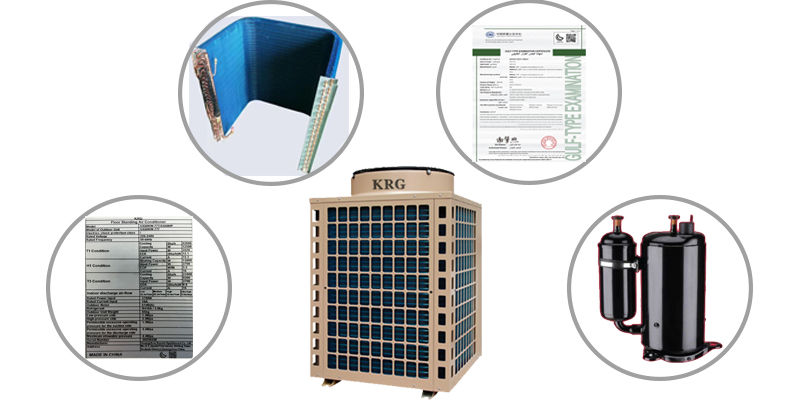
  • Refer to the nameplate or the user's manual: Check if it is marked with "Climate Type: T1/T3" and the operation temperature range (T1 max 43℃, T3 max 52℃).
  • Refer to the compressor model number: The T3 series uses a high-temperature-oriented compressor, which could work stably under extremely high temperatures.
  • Refer to the condenser configuration: The T3 series uses a larger condenser with a high-efficiency radiation system and a powerful fan.
  • Refer to the certificates: The T3 series certifications are like SASO and GCC certificates.


Air Conditioner Factory


IV. How to choose air conditioners in tropical areas?


Regions Recommended Climate Type Description
the Middle East (KSA, UAE) T3 The temperature exceeds 48°C normally in summer.
Africa (Nigeria, Egypt) T3 High temperature and unstable power supply—it is more stable to choose T3.
Southeast Asia (Thailand, Vietnam) T1/T3 If the high temperature exists all year round, it's better to choose T3.
South China (Guangzhou) T1 Short term of high temperature, T1, is enough.


V. Scenarios suitable for T3 air conditioners

  • Tropical beach villas or resorts.
  • Temporary offices or camps in desert areas.
  • Factory or cold chain warehouse in tropical areas.
  • Commercial places in the Middle East (such as shopping malls and restaurants).


VI. The key to choosing T1 or T3 is the usage environment


For the air conditioners, it is not the powerful ones that are the best, but the proper ones. If you live in or export air conditioners to tropical and dry-hot areas, then choosing true T3 air conditioners will ensure the machines work stably, avoiding bad cooling or frequent malfunctions due to the high temperature.


If you have more questions on T1/T3 air conditioners, please contact the KRG team. We focus on export-oriented household and light commercial air conditioners, providing professional products and customized services that meet GCC/SASO/CE certifications.


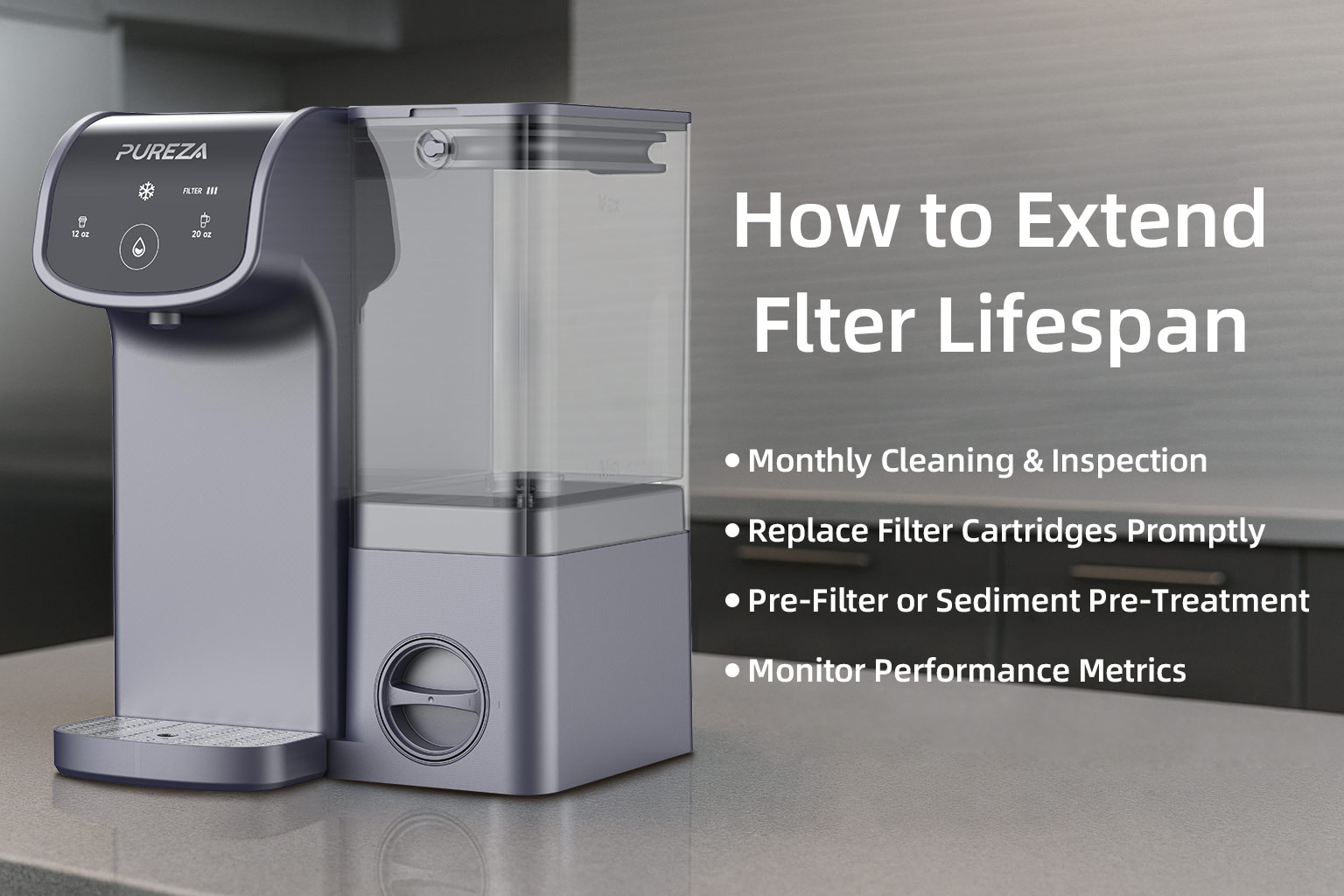
Countertop Water Purifier Maintenance Guide How to Extend Filter Lifespan


For wholesalers, distributors, and procurement teams sourcing from an OEM countertop water purifier manufacturer, understanding countertop water purifier maintenance is essential. Proper care not only extends filter life but also ensures consistent performance—key selling points when promoting to end-users.


🔍 Why Filter Maintenance Matters in B2B Procurement


Countertop units are compact yet powerful, trapping impurities over time. Without proper upkeep, filters clog, flow rates decrease, and filtration efficiency drops. Buyers expect reliable, long-lasting products—especially when sourcing via countertop water filter wholesale agreements. Regular maintenance translates directly into reduced service complaints and enhanced end-user satisfaction.


🧰 4 Essential Maintenance Practices


  1. Monthly Cleaning & Inspection
    Clean the exterior and rinse internal components every 4 weeks. Check for leaks, cracks, or seal wear using visual inspection or basic tools—this aligns with industry best practices for countertop water purifier maintenance.

  2. Replace Filter Cartridges Promptly
    Stick to manufacturer guidelines (e.g. every 6 months or 300 gallons). Overuse can lead to recontamination. Adhering to this protocol preserves both performance and brand reputation—critical for NSF certified countertop water filters.

  3. Pre-Filter or Sediment Pre-Treatment
    For high-sediment regions, installing a pre-filter reduces load on the primary cartridge and significantly prolongs its life—one of the top maintenance tips embraced across the industry.

  4. Monitor Performance Metrics
    Use simple flow-rate checks or TDS meters monthly. A sudden drop indicates clogging or filter exhaustion. This proactive routine supports transparency and trust in OEM countertop water purifier manufacturer partnerships, demonstrating care and quality control.


✅ Benefits for B2B Buyers


  • Longer Filter Life = Lower Total Cost of Ownership

  • Consistent Performance = Higher End-User Satisfaction

  • Simplified Support = Fewer Returns & Replacements

  • Stronger Sales Pitch = "NSF Certified Countertop Water Filter" maintained to spec


🤝 Working with an OEM Partner


As a dependable OEM countertop water purifier manufacturer, we offer training materials, replacement schedules, and marketing collateral that emphasize maintenance as a key feature. Many of our countertop water filter wholesale buyers use these resources to educate end-clients and reduce after-sale support.


💡 Final Takeaway


By prioritizing countertop water purifier maintenance, B2B buyers gain a competitive advantage: NSF certification compliance, longer-lasting performance, and reduced after-sales support. These factors combine to deliver stronger ROI, improved distributor reputation, and greater market success.


Looking to collaborate on countertop water filter wholesale volume? Reach out—we’re ready to help with samples, branding support, and full maintenance guides for your clients.


How to Choose an Efficient Water Filter Cartridge A B2B Certification Guide

When sourcing water filters or entire systems, B2B buyers—such as wholesalers and large procurement teams—need to focus on both performance and compliance. Certifications not only prove quality but also influence market acceptance, pricing, and trust. Below are key steps to select an efficient, certification-backed filter for your business.


1. Check for NSF certified water filters 

Always prioritize filters with NSF certification, such as NSF/ANSI 42, 53, and 401. According to industry standards, NSF certification is “the gold standard in the industry” for eliminating contaminants like chlorine, lead, VOCs, and emerging pollutants. Only filters with verified NSF marks guarantee you meet health and regulatory expectations.


2. Work with an OEM water filter manufacturer

Partnering with a reputable OEM water filter manufacturer ensures you can customize branding, packaging, and even filter media. OEMs typically support NSF testing and mold development. This flexibility is essential if you have specific design or market compliance requirements.


3. Seek out wholesale water filter suppliers

If you’re buying in volume, you’ll improve margins by ordering from trusted wholesale water filter suppliers. High-quality suppliers offer competitive pricing, but also support bulk sample testing to ensure performance aligns with NSF standards before committing to large orders.


4. Consider long-term NSF 53 certification plans

Filters certified with NSF 53 address serious health threats, such as lead, PFAS, and VOCs, and they appeal to discerning end-users . Although NSF 53 testing is more intensive, the result often justifies premium pricing and opens doors to stricter-regulation markets like North America and Europe.


Why Certifications Matter in B2B Sourcing


  • Regulatory compliance: Many commercial and institutional buyers require NSF certification.

  • Market trust: A certified filter builds confidence from buyers and their end-customers.

  • Premium positioning: Certified filters command higher prices and appeal to quality-conscious channels


Best Practices Before You Purchase


·  Request certificates—Ask for official NSF test reports for the specific product model.

·  Test flow rate & capacity—Verify performance specs match both NSF and your market’s expectations.

·  Start with samples—Evaluate real-world performance before full-scale orders.

·  Clarify MOQ and lead time—Ensure the OEM supplier offers both flexibility and reliability.


Conclusion


When evaluating water filter suppliers, prioritize NSF certified water filters sourced from a reliable OEM water filter manufacturer. Look for those who offer wholesale water filter deals and support NSF 53 certification for serious contaminant reduction. This strategy ensures you get a product combination of reliability, customization, and ROI potential across headquarter and distribution levels.


Would you like help identifying OEM partners with NSF-certified water systems or filters? I’d be happy to assist!