If you've ever tried upgrading heat pumps in a fully occupied 30-year-old apartment building, you know the drill: tearing open finished walls to run new low-voltage wires is a complete nightmare. But deploying a lorawan heat pump thermostat network entirely kills that rewiring cost, letting your crew finish a unit turnover in under 15 minutes. For those managing a multi-dwelling unit (MDU) or student housing portfolio, migrating isolated HVAC systems onto one centralized dashboard is the fastest route to dropping utility bills. The real headache? Most legacy buildings simply lack the wiring infrastructure to support modern smart controls.

The Real Bottleneck in MDU Retrofits
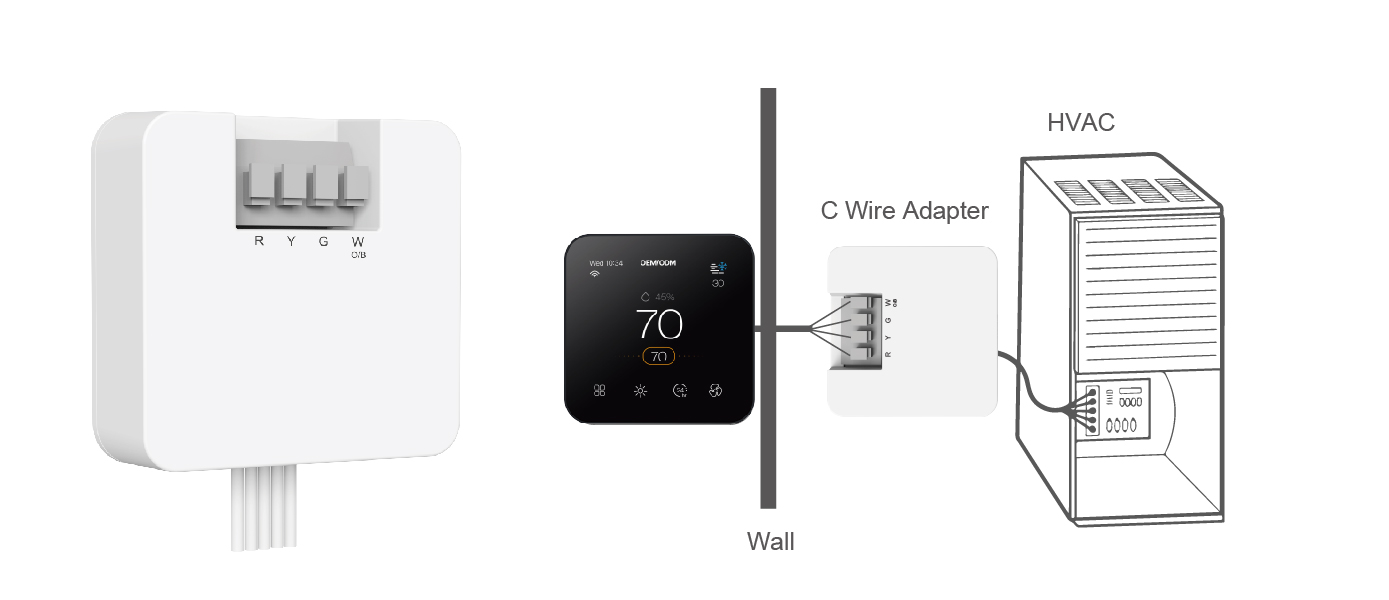
Let's address the elephant in the room: legacy 4-wire setups. Pop a dumb thermostat off a 30-year-old wall, and you are usually staring at R, G, Y, and W wires. What is missing? The crucial 24VAC C-wire. Without that common wire, you cannot continuously power a backlit smart thermostat, let alone keep an IoT radio listening for BMS commands.
Paying a crew to pull fresh 5-wire bundles through fire-stopped walls or sealed vertical shafts wrecks your project budget instantly. It annoys tenants and takes rentable units offline. Because of this massive hurdle, property owners often settle for replacing old mechanical stats with new mechanical stats. That leaves expensive compressors completely unprotected from tenants who leave the AC running at 60°F with the balcony doors wide open.
Why LoRaWAN Beats Hardwired and Wi-Fi Setups
When system integrators look to network hundreds of heat pumps into a central Building Management System (BMS), they generally weigh three options. On a live MDU retrofit site, only one actually makes practical sense:
- BACnet MS/TP: Super reliable for new builds, sure. But trying to run RS485 daisy chains across finished concrete floors and occupied units is financially impossible.
- Wi-Fi Thermostats: A total nightmare at a commercial scale. You end up choking the residential routers, dealing with endless dead zones through masonry walls, and opening up massive IT network security risks.
- Sub-GHz LoRaWAN: The ultimate sweet spot. The 915MHz signals punch right through multiple floors and concrete shafts. You mount an industrial LoRaWAN Heat Pump Thermostat on the wall, connect it to a centralized roof gateway, and grab secure telemetry without ever touching the tenant's private internet.
How to Bypass the 4-Wire Problem
So, how do we fix the missing C-wire without cutting into drywall? You drop a C-Wire Adapter right at the air handler or package unit control board. This small module multiplexes the 24VAC power alongside the control signals. Suddenly, your wall controller has constant, reliable power using the exact same vintage 4-wire bundle.
That constant power is a game changer for commercial integrators because it allows the thermostat to operate as a LoRaWAN Class C node. It never goes to sleep. When the BMS sends an emergency command to drop the temperature or shut off the compressor, the thermostat reacts instantly. And commissioning the unit? You just scan the DevEUI QR code with your phone. No dip switches, no baud-rate tuning. Scan it, mount it, and walk away.
Handling 3H/2C Multi-Stage Logic
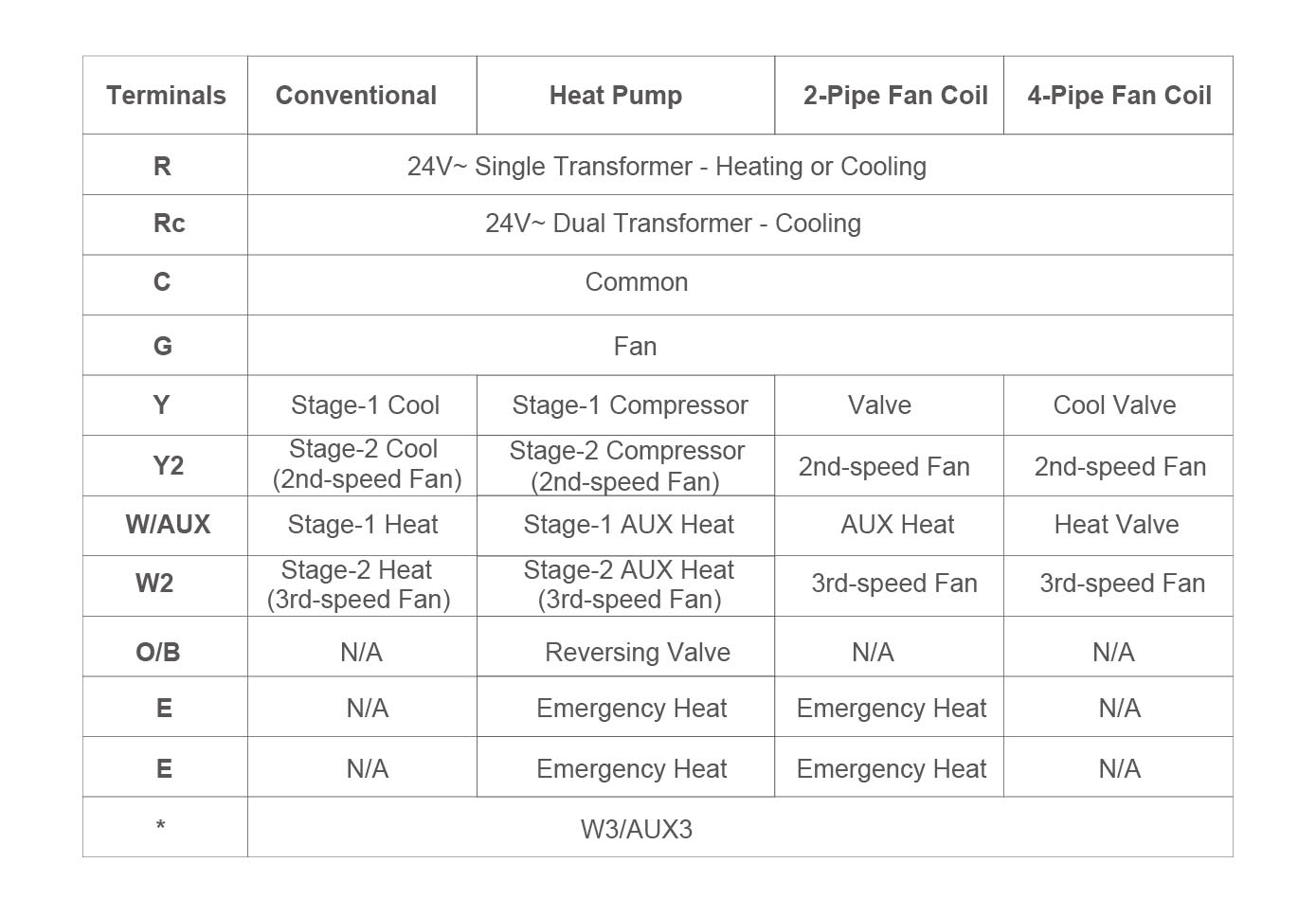
Heat pumps aren't simple on/off machines. If your thermostat mishandles the auxiliary heat staging, winter electricity bills will skyrocket. True commercial retrofit hardware natively handles multi-stage refrigeration (up to 3H/2C). It expertly manages the O/B reversing valve and stages compressor loads carefully to extract maximum efficiency before ever triggering those expensive emergency electric heat strips.
Taking Back Control of Your Asset
Getting your scattered heat pumps onto a centralized wireless network isn't just a software upgrade; it physically protects your mechanical assets. Property managers finally gain the visibility needed to stop treating HVAC failures as an expensive surprise:
- Empty Unit Setbacks: When a renter moves out or a student leaves for the holidays, the BMS automatically limits the temperature range. The unit stays safe from mold or freezing pipes, but instantly stops wasting energy.
- Hard Lockouts: Prevent extreme setpoint adjustments. Lock the cooling floor at 70°F to save aging compressors from icing over and drastically chop down your peak electrical demand charges.
- Real Maintenance Data: Track actual compressor run hours instead of guessing. You get alerts for sluggish thermal recovery days before a tenant even realizes their AC is failing.
Built for the Channel, Not the Retail Shelf
At E-TOP Controls, we engineer hardware for real-world commercial jobs, not big-box retail shelves. As an ISO 9001:2015 manufacturer, we build the reliable wireless infrastructure that integrators actually need to scale. If you are standardizing equipment for an MDU portfolio or building a custom automation brand, check out our Commercial HVAC Control Knowledge Centre, or contact our engineering team directly to discuss custom OEM and ODM manufacturing solutions for our LoRaWAN Thermostat Solutions.
Request OEM Spec Sheets & Pricing
📖 Technical Guides & Application Knowledge
Explore our detailed engineering articles to learn more about deploying the CH7600 in commercial environments: